Africa's Fintech Industry on Track for US$65 Billion by 2030, But Tax Policies Pose Growing Threat
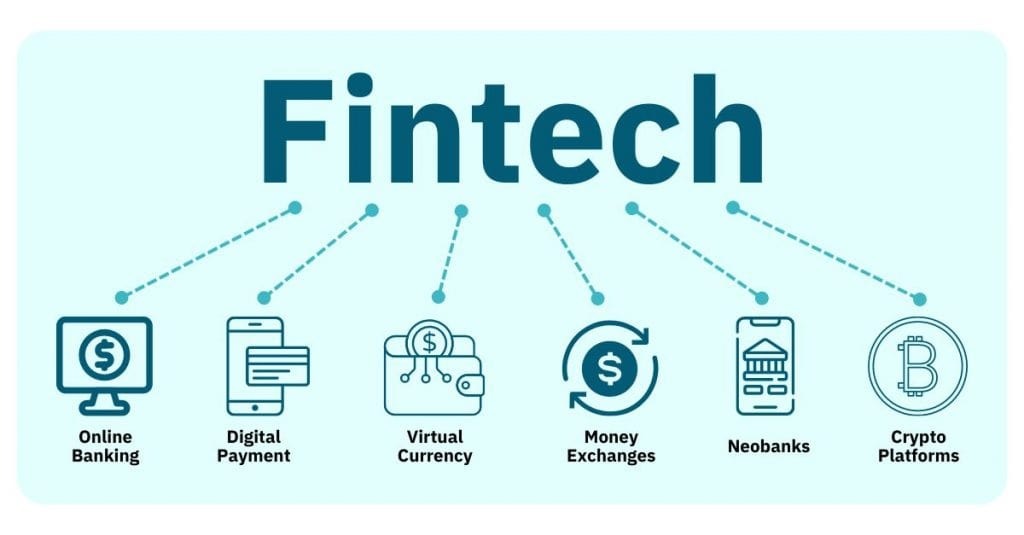
Africa’s financial technology sector is experiencing rapid growth, with revenues projected to reach US$65 billion by 2030, representing a remarkable 180 percent increase since 2020, according to a recent report by AfricaNews.
The report highlights mobile money platforms, digital wallets, and interoperable payment systems as the key drivers transforming Africa’s financial landscape and bringing millions of previously unbanked people into the formal financial system. However, it also warns that some government policies aimed at increasing revenue could slow the sector’s progress.
Transaction Taxes Facing Global Criticism
Several African governments have introduced or considered mobile money levies and digital payment taxes as part of efforts to boost domestic revenue. These measures have attracted criticism from organizations such as the International Monetary Fund, the World Bank, and the United Nations Economic Commission for Africa, all of which have warned that taxing digital payment infrastructure could reduce adoption and reverse progress in financial inclusion.
These concerns were widely discussed during the ECA’s 58th Conference of Ministers in Tangier and at the IMF and World Bank Spring Meetings held in Washington in April.
Real world examples appear to support these concerns. In Uganda, mobile money transactions reportedly declined significantly after the introduction of a digital levy. In Ghana, the e levy, which imposed charges on electronic transfers, faced strong public opposition and was eventually abolished in April 2025.
Mobile Money’s Impact on Financial Inclusion
Despite these challenges, mobile money continues to play a transformative role across Africa. M-Pesa in Kenya remains one of the continent’s most notable success stories, helping increase financial inclusion from below 30 percent to more than 83 percent within a decade.
Globally, registered mobile money accounts have now surpassed 2.1 billion, with Africa accounting for the majority of users. This further reinforces the continent’s leadership in mobile first financial services.
Growing Importance of B2B Payments and AfCFTA
The report also points to Africa’s business to business digital payments market, which is expected to grow to US$162 billion by 2033. Analysts believe this growth will depend heavily on stable and predictable regulations, something that fragmented tax policies across different countries could undermine.
According to the report, inconsistent fiscal measures may threaten regional integration efforts under the African Continental Free Trade Area, especially cross border payment initiatives such as the Pan-African Payment and Settlement System, which aims to make intra African trade faster and more affordable.
Fintechs as Partners in Revenue Mobilisation
The report also highlights an opportunity for fintech companies to position themselves as partners in government revenue mobilisation rather than targets of taxation. Countries such as Kenya and South Africa are already using digital transaction data and artificial intelligence to improve tax collection efficiency without directly taxing mobile money transactions.
Fintech firms that invest in compliance systems and stronger governance structures are expected to be better positioned to support governments seeking to expand their tax base while sustaining growth in the digital economy.
Industry stakeholders continue to argue that unpredictable fiscal policies create uncertainty for investors and hinder the expansion of digital financial services across African markets. They maintain that the long term economic cost of discouraging digital adoption is likely to outweigh any short term revenue benefits governments may gain from imposing digital transaction taxes.
0 Comments
No comments yet. Be the first one to comment!