Airport Incident, Court Proceedings and Political Claims: Examining Developments Around Nasir El-Rufai
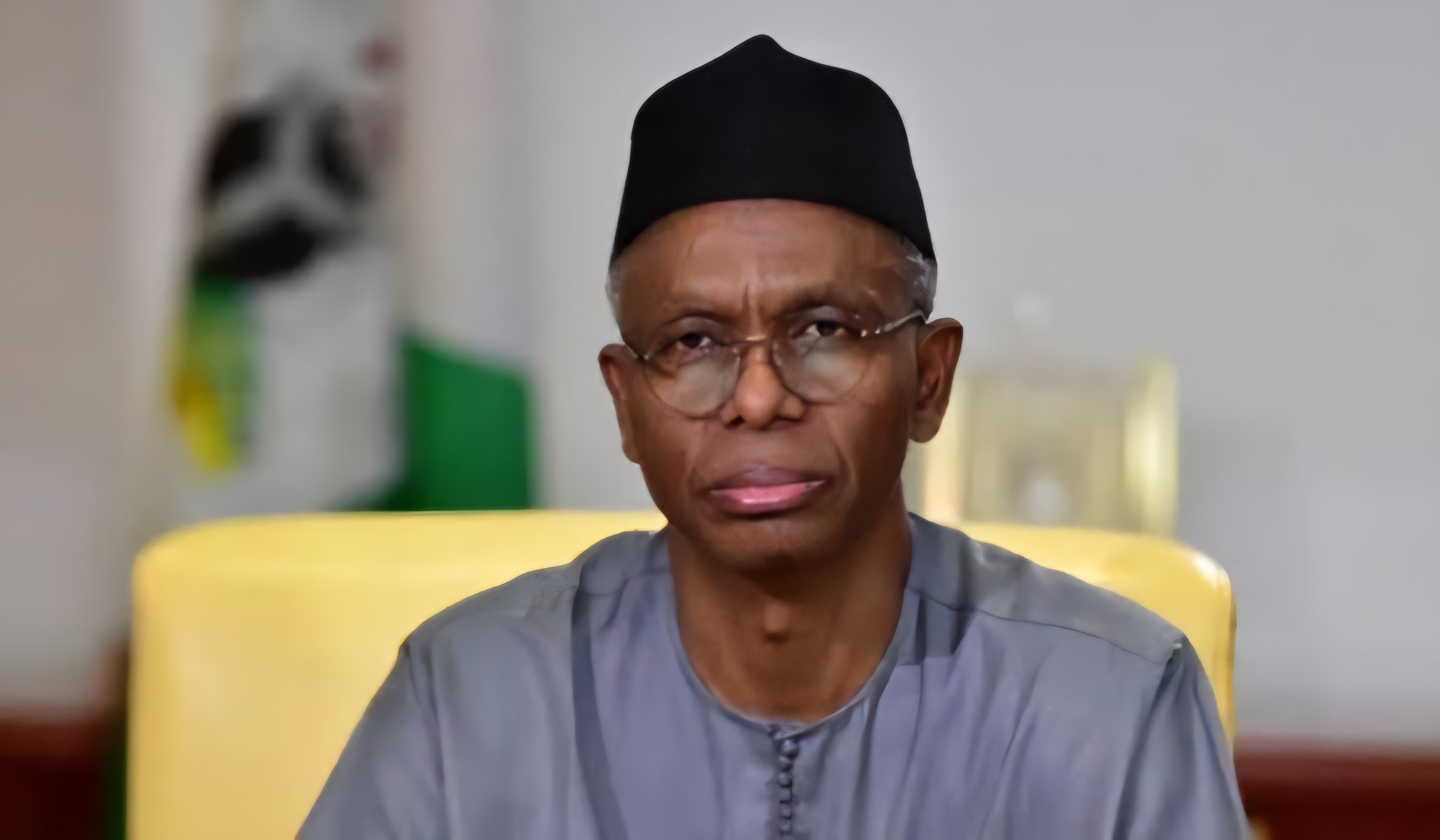
Recent political developments involving former Kaduna State Governor Nasir El-Rufai have triggered public debate, following reports of an airport incident, an anti-corruption investigation, and a scheduled court appearance.
A communiqué circulated by a group identifying itself as the Coalition of Professionals (COP) alleged harassment, invasion of privacy and an attempted kidnap involving El-Rufai at the Nnamdi Azikiwe International Airport in Abuja, Nigeria. The group further described the situation as a political witch-hunt and called for adherence to due process.
However, available reports from Nigerian media and official statements suggest a more complex sequence of events.
Airport Incident: Competing Narratives
Accounts from El-Rufai’s legal team describe an attempted arrest or detention at the Abuja airport, characterising the action as irregular and unlawful. The terminology used by supporters refers to the episode as an “attempted kidnap.”
Security agencies, however, have not publicly described the incident as kidnapping. Statements attributed to officials indicate that the matter relates to ongoing investigative procedures rather than an abduction attempt.
At the time of reporting, no official security agency has issued a statement confirming that a kidnapping occurred. The divergence in language underscores the political sensitivity surrounding the episode.
Court Proceedings and Investigation
Independent reports confirm that a Federal High Court in Abuja fixed February 25, 2026, for El-Rufai’s arraignment in connection with alleged offences reportedly tied to cybercrime-related matters. However, proceedings did not take place as scheduled, and the case was adjourned to a later date after the defendant was not produced in court.
Crucially, the Independent Corrupt Practices and Other Related Offences Commission (ICPC) has acknowledged that El-Rufai was in its custody as part of an ongoing investigation. This confirmation establishes that the matter is tied to formal anti-corruption or legal processes, rather than an undocumented security action.
While the precise scope of the investigation remains subject to judicial process, the existence of a court date and official agency confirmation indicates that the matter is before the legal system.
Questions Around the Coalition of Professionals (COP)
The communiqué defending El-Rufai was issued in the name of the Coalition of Professionals (COP), a body that describes itself as a nationwide group of professionals committed to constitutional order and democracy.
However, publicly accessible records and mainstream civic registries do not provide clear evidence of COP’s registration status or institutional standing. Unlike established civil society coalitions with documented structures and public visibility, COP’s formal status remains unclear.
This does not invalidate it's right to issue a statement; however, it raises questions about its organisational structure, political alignment and representational legitimacy.
Political and Institutional Implications
The developments unfold within a politically charged environment in Nigeria, where high-profile investigations often generate competing narratives about accountability and political targeting.
From a governance perspective, two principles remain central:
First, that allegations must be addressed through transparent judicial processes;
Second, that investigations must be conducted without political interference or perception of bias.
For El-Rufai’s supporters, the episode reflects political hostility. For law enforcement agencies, it appears to fall within established investigative mandates.
The ultimate clarity will depend on court proceedings and the presentation of evidence.
Conclusion
At present, confirmed facts indicate:
An investigation by the ICPC is ongoing.
A court appearance was scheduled and later adjourned.
An airport incident occurred, though official agencies have not characterised it as kidnapping.
A political support group has publicly condemned the actions as harassment.
As the judicial process unfolds, the matter is likely to remain a focal point in Nigeria’s political discourse.
In democracies, the test lies not in the volume of claims or counterclaims, but in whether institutions function independently, transparently and in accordance with the rule of law.
0 Comments
No comments yet. Be the first one to comment!