Bawumia’s Flagbearer Win: Party Strategy, Policy and Continuity
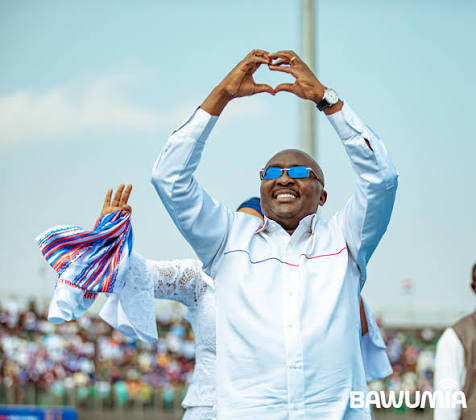
On 31 January 2026, delegates of the New Patriotic Party (NPP) formally elected Dr Mahamudu Bawumia as the party’s flagbearer for the 2028 presidential election, solidifying his position as the leading voice of the main opposition. The outcome, widely expected by political observers, marks both continuity and a test of the party’s strategic direction after the 2024 national elections.
A Campaign Rooted in Experience and Unity
Bawumia’s campaign foregrounded party unity and a technocratic approach to governance. Early in the race, he urged party faithful not to allow divisive narratives, including tribal or religious appeals, to shape internal contests, calling such rhetoric “dangerous” and harmful to cohesion.
After casting his ballot in the primaries, Bawumia described the process as “smooth and orderly,” noting that voting across constituencies reflected a disciplined, transparent exercise.
In materials outlining his vision, Bawumia emphasised public service, competence and integrity, arguing that his experience as Vice-President and his efforts on infrastructure and digitalisation make him well qualified to lead the party and, potentially, the country.
Expert Analysis: Predictable Trajectory or Strategic Choice?
Governance expert Professor Enoch Opoku-Antwi described the result as unsurprising, saying the election’s trajectory made Bawumia’s win “like a Ghanaian movie; you can see the end from the beginning.” Opoku-Antwi’s remarks underscored how delegate expectations and established support networks pointed towards a clear preference for Bawumia well before votes were cast.
Amid these internal dynamics, broader civic voices in Ghanaian media have cautioned against entrenched patronage politics. Kwame Owusu Danso, President of the Accountability Forum, warned that clientelist practices where political financing is tied to expected rewards continue to hamper governance and accountability across parties. His broad critique speaks to public frustrations with entrenched political norms beyond the flagbearer contest itself.
Policy Perceptions and the 2028 Horizon
Bawumia’s campaign built on a legacy of digital and institutional reforms, and he consistently framed his bid around the themes nation-buildinging and responsible governance. His supporters have focused on continuity as a strength, particularly given his long tenure in national leadership and frequent calls for a united front to reclaim electoral ground.
While the internal election itself did not include a direct national policy debate with opposition platforms, the contest highlighted broader questions about how Ghana’s major parties will connect policy propositions to everyday concerns such as jobs, the cost of living and economic stability. These issues shaped the last general election and are likely to dominate the 2028 cycle.
Looking Toward 2028
In his flagbearer acceptance speech, Dr Bawumia framed his mandate as both a continuation and a renewal. “We have laid foundations; now we must build homes,” he said, invoking the need to translate ideas into results. As the NPP transitions from governance to opposition, his campaign will have to balance continuity with responsiveness, and policy with empathy.
Ghana’s political landscape, observers say, is increasingly shaped by how leaders articulate change that resonates broadly, beyond delegates and technocrats, into the lives of ordinary citizens. For Bawumia, that narrative is now central to the journey ahead.
0 Comments
No comments yet. Be the first one to comment!