Beyond the Blueprints: How Kofi Annan’s Faith Saved David Adjaye—and Why the Creative Economy Needs More Champions
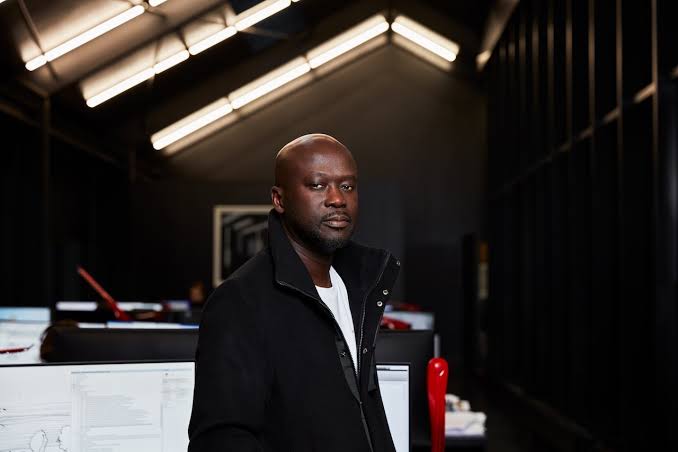
In the upper echelons of global architecture, Sir David Adjaye is a titan. From designing the Smithsonian National Museum of African American History and Culture in Washington D.C. to shaping landmark projects across Africa, his vision is often viewed as infallible. Yet, behind the glittering accolades lies a sobering reality: even the most celebrated creative minds are incredibly vulnerable to financial ruin.
A striking revelation recently emerged, charting back to 2014- a year Adjaye now admits he went bankrupt. Amidst the quiet collapse of his financial foundations, salvation did not come from a banking conglomerate or a government bailout. It came from one of the world’s most revered diplomats: the late former United Nations Secretary-General, Kofi Annan.
"Kofi Annan saved me when I went bankrupt in 2014," Adjaye shared, shedding light on a private chapter of a deeply profound relationship.
Annan, who commissioned Adjaye to design his private residence in Ghana, did more than just hire an architect; he threw a lifeline to a visionary on the brink of erasure.
This revelation offers a powerful shift in perspective. It moves the narrative away from a standard story of financial misstep and transforms it into a masterclass on the critical importance of institutional trust, elite mentorship, and the active preservation of cultural talent.
The Fragility of the Visionary
The public often views "starchitects" and premier creatives as financially invincible. In reality, the creative sector operates on razor-thin margins, cyclical funding, and massive upfront overhead costs. A delayed contract or a sudden economic shift can push a world-class studio into insolvency.
When Adjaye faced bankruptcy in 2014, the world risked losing a distinct architectural voice that bridges African heritage with contemporary global design. Had his firm collapsed entirely, the landscape of modern architecture would look vastly different today.

What saved him was not just a injection of capital, but a profound gesture of validation. By standing by Adjaye, commissioning his work, and leveraging his immense global stature, Kofi Annan signaled to the market that Adjaye’s genius was a commodity worth protecting.
Mentorship as an Act of Economic Preservation
Kofi Annan’s intervention highlights a distinct form of leadership: mentorship as an act of economic and cultural preservation.
Throughout his life, Annan was a fierce advocate for Africa’s positioning on the global stage. He understood that for a continent and its diaspora to truly rise, it required its own storytellers, architects, and intellectuals. Recognizing Adjaye's potential, Annan chose to protect a vital cultural asset.
This relationship redefines the role of the global elite. True philanthropy and leadership are not merely about funding charity; they are about stepping into the gap for innovators when the traditional financial systems fail them. Annan saw past the temporary red ink on a balance sheet and invested in the permanent blueprint of Adjaye’s future.
A Lesson for Today’s Creative Economy
The story of Annan and Adjaye serves as a timely wake-up call for how society treats its creative pioneers. Today, thousands of brilliant architects, artists, and designers across Africa and the globe face systemic financial barriers, lack of credit access, and economic instability.
If a figure as prominent as David Adjaye could face bankruptcy, it underscores the systemic precarity embedded within the creative industries. It begs the question: How many generation-defining talents are we losing simply because they lack a champion in their corner?
Annan’s gesture should serve as a blueprint for modern patrons, governments, and business leaders. Investing in the creative economy cannot just be a fair-weather luxury. It requires backing visionaries through their storms.
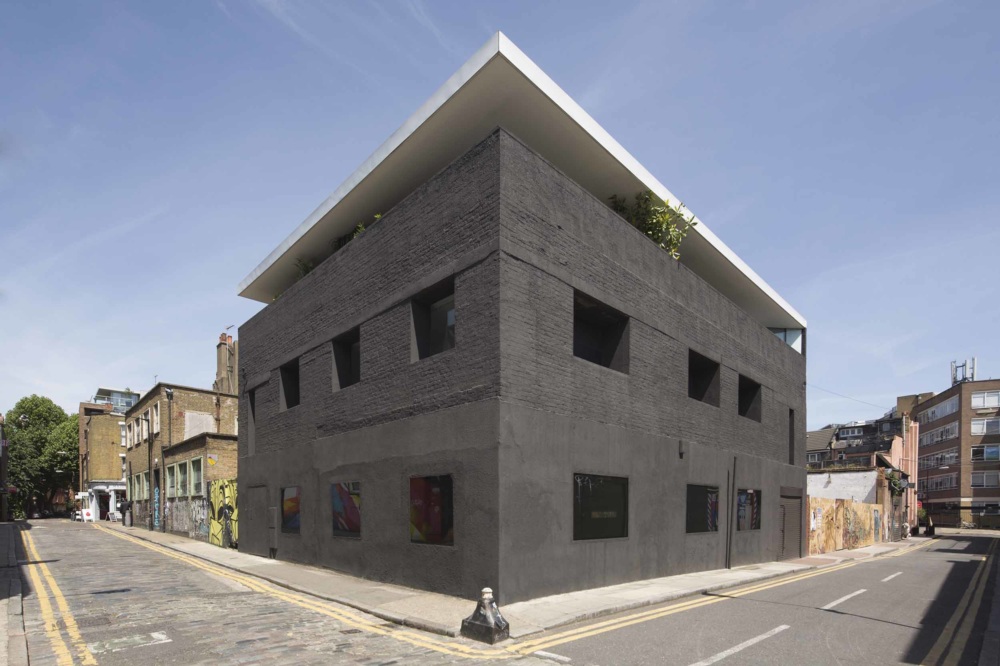
Sir David Adjaye went on to build some of the most iconic structures of the 21st century after 2014. But as we admire his towering glass and concrete achievements, we must remember the invisible scaffolding that kept him upright: the enduring faith and timely intervention of a diplomat who knew that saving a visionary is the same as saving the future.
0 Comments
No comments yet. Be the first one to comment!