BoG insists it remains “policy solvent” despite GH¢15.6bn loss, negative equity
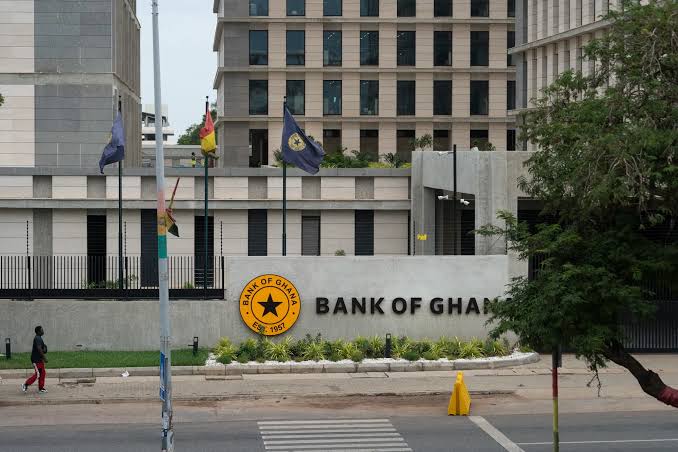
The Bank of Ghana has defended its 2025 financial position, stating that despite recording a GH¢15.6 billion operating loss and deepening negative equity, it remains capable of executing its core monetary policy functions.
The central bank emphasised that it is still “policy solvent”, a position that reflects its ability to implement key measures such as inflation control and interest rate management without requiring emergency government intervention.
According to its 2025 financial statement, this resilience is anchored in income generated from monetary policy operations, particularly open market activities used to regulate liquidity, stabilise the cedi, and contain inflation.
While acknowledging that current economic conditions will demand continued intervention, the Bank maintained that it has sufficient internal capacity to finance these operations.
It also pointed to structural improvements in its income base, alongside an agreed recapitalisation plan with government, as critical to its medium-term recovery.
The Bank’s outlook is tied closely to Ghana’s broader macroeconomic trajectory. Between 2026 and 2030, it projects steady real GDP growth, easing inflation following a sustained disinflation process, and a more stable external sector.
These developments, it noted, are expected to strengthen its financial position over time, boosting net interest income, reducing reserve-related costs, and gradually restoring profitability.
The Bank added that returns from external reserves will remain a key source of income, supported by prevailing global interest rate conditions. It also expects pressure on its earnings to ease as monetary policy gradually shifts toward a less restrictive stance.
However, concerns remain over its balance sheet.
The Bank of Ghana disclosed that its negative equity widened to GH¢93 billion in 2025, largely driven by the impact of the Domestic Debt Exchange Programme and recent policy operations.
To address this, government has committed to restoring the Bank’s capital under the Bank of Ghana Act, 2002 (Act 612), as amended.
A phased recapitalisation programme, agreed with the Ministry of Finance, will see injections of cash and financial instruments between 2026 and 2032.
The Bank expects this plan to return its equity to positive territory by 2032, rebuild reserve buffers, and strengthen long-term financial resilience.
0 Comments
No comments yet. Be the first one to comment!