Brazil Suspends Cocoa Imports from Ivory Coast Over Traceability Concerns
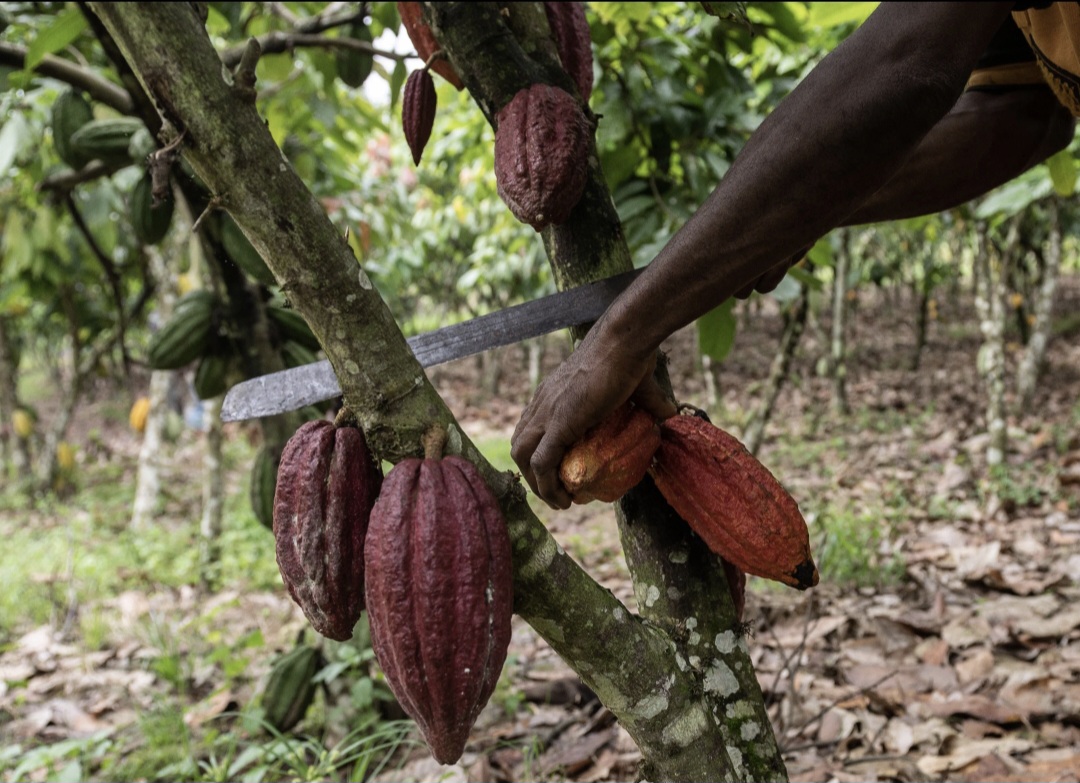
Brazil has temporarily suspended cocoa imports from Ivory Coast, citing phytosanitary and traceability concerns, according to a notice published in the country’s official gazette.
The decision marks a significant escalation in Brazil’s cocoa trade policy, particularly given Ivory Coast’s role as the world’s largest cocoa producer and a key supplier to Brazilian processors.
Brazil’s Ministry of Agriculture indicated that the suspension stems from concerns about the “high influx of beans from neighbouring countries into Ivory Coast.” Authorities fear that cocoa produced in countries not authorised to export to Brazil could be mixed with Ivorian-origin shipments prior to export.
The core issue, therefore, is not solely plant health in a biological sense, but origin verification and supply chain integrity.
Brazil has stated that the suspension will remain in effect until Ivory Coast provides formal clarification and guarantees that exported consignments contain only authorised-origin cocoa.
The stakes are material. Ivory Coast accounted for approximately 37 percent of Brazil’s 112,850 metric tons of cocoa and cocoa by-products imports in 2025. That level of dependence makes the suspension economically sensitive for Brazil’s processing industry.
Brazil is both a cocoa producer and a major chocolate manufacturer, yet domestic output remains insufficient to meet grinding capacity. Imports therefore play a structural role in sustaining operations.
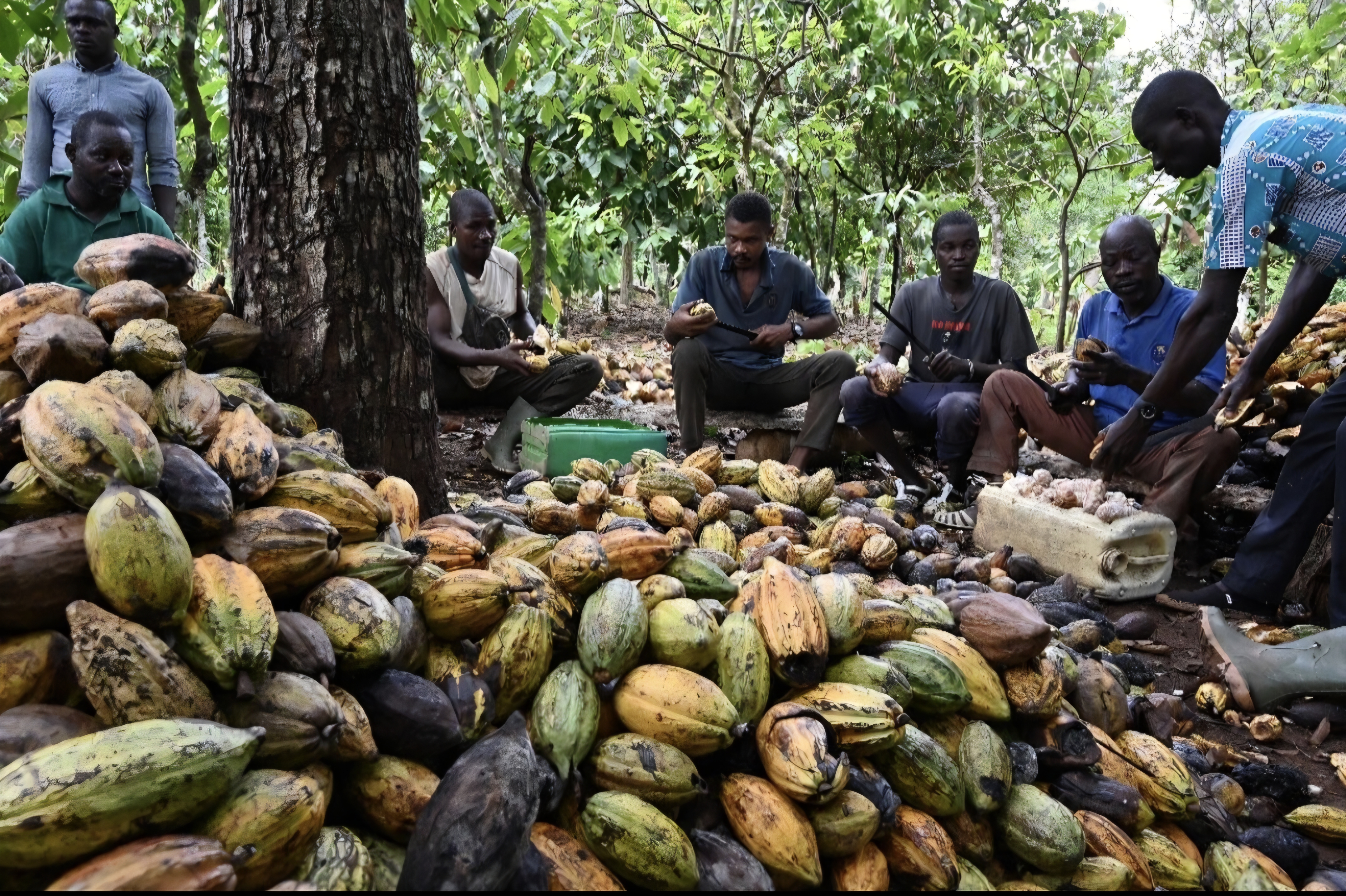
A prolonged suspension could tighten supply availability, affect processing margins, and potentially increase input costs for manufacturers.
The measure reflects a broader regulatory trend toward stricter traceability and phytosanitary enforcement in global agricultural trade. Governments are increasingly focused on preventing pest introduction, ensuring compliance with origin rules, and protecting domestic agricultural systems.
For Brazil, the move may also be interpreted as a precautionary measure aimed at safeguarding local producers, particularly given historical vulnerabilities within the cocoa sector.
For Ivory Coast, the suspension introduces reputational and commercial considerations. As the dominant global supplier, maintaining confidence in export certification systems is critical to market access.
In the near term, attention will focus on diplomatic and technical engagement between Brazilian and Ivorian authorities. If guarantees and verification mechanisms are provided, trade flows could resume relatively quickly.
However, if the issue evolves into a prolonged compliance dispute, Brazil may need to diversify sourcing or draw more heavily on alternative suppliers, potentially reshaping short-term regional trade patterns.
At a structural level, the episode highlights a central tension in commodity markets: supply scale must increasingly be matched by transparent traceability systems.
The outcome will depend less on political rhetoric and more on regulatory assurance. For now, Brazil’s suspension signals that supply chain integrity has become as critical as volume in the global cocoa economy.
0 Comments
No comments yet. Be the first one to comment!