Commercial Drivers Push Back as Government Bans Toyota Voxy for Public Transport
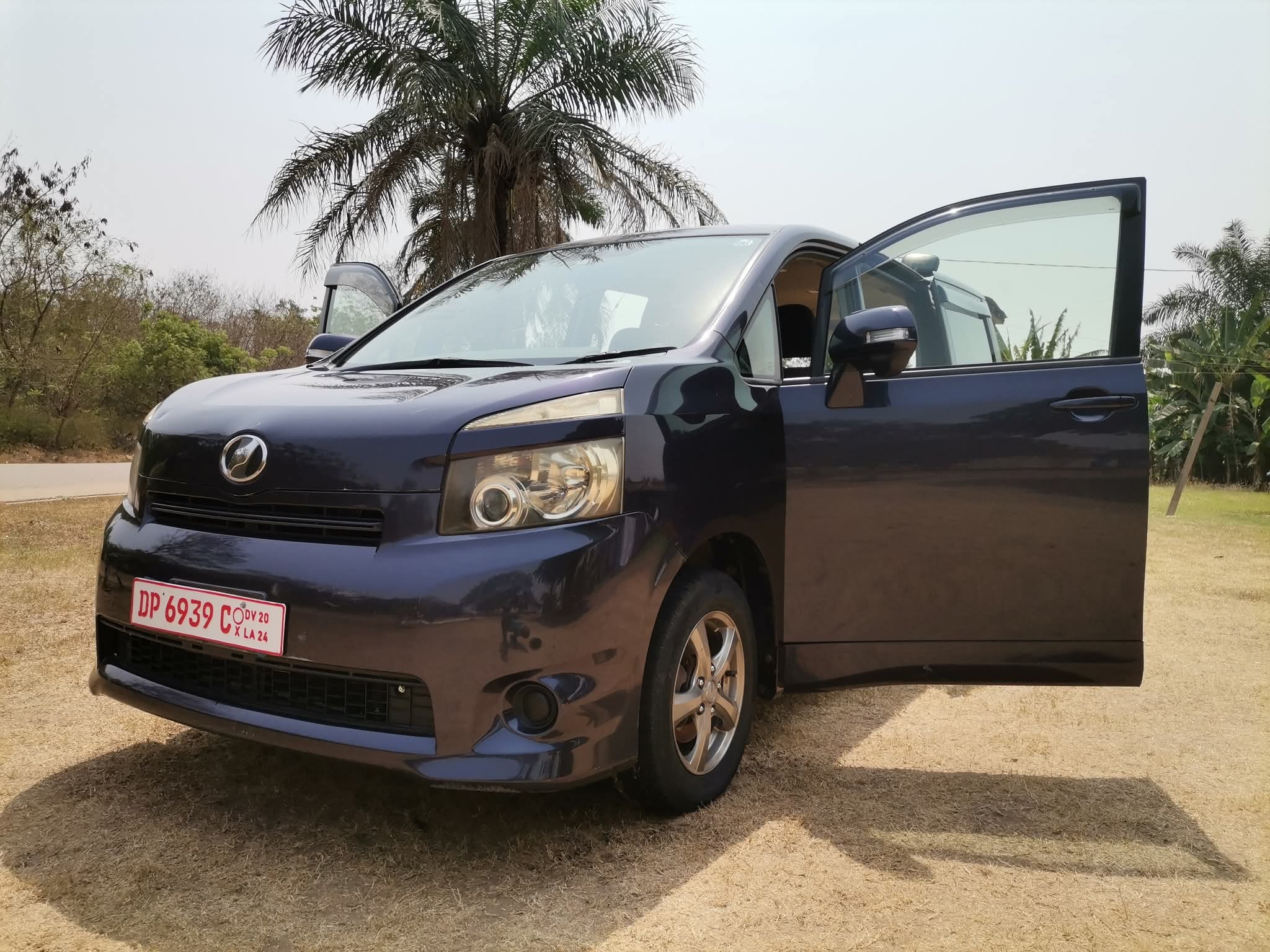
Commercial transport operators in Ghana have issued a formal protest to the National Road and Safety Authority (NRSA) following a government directive banning the use of the for commercial passenger services.
The directive, communicated through regulatory channels earlier this week, effectively prohibits the popular minivan widely used for ride-hailing and informal public transportfrom operating as a commercial vehicle. Authorities cite safety classification concerns, arguing that the Voxy, originally manufactured as a private-use multi-purpose vehicle (MPV), does not meet the structural and regulatory standards required for mass public transportation.
In a strongly worded statement addressed to the NRSA, driver unions and commercial transport groups rejected the ban, describing it as “economically disruptive and procedurally unfair.” The drivers argue that the Toyota Voxy has, over the years, become a reliable and accessible transport option for thousands of commuters, particularly in urban centres such as Accra and Kumasi.

They further contend that many operators have invested heavily in acquiring the vehicles—often through loans—and an abrupt ban threatens livelihoods without offering viable alternatives or transition support.
“We were not adequately consulted before this decision was taken,” the statement noted, calling for an immediate suspension of the directive and the opening of stakeholder engagements. The drivers are also demanding a clear technical explanation of the safety concerns cited, alongside a phased implementation plan if the policy is to be maintained.
The NRSA has yet to issue a detailed public response to the drivers’ petition but has previously emphasized its mandate to ensure that all vehicles used for commercial passenger services comply with national safety standards.
Observations indicate that the standoff could have broader implications for Ghana’s informal transport sector, where vehicle classification and enforcement remain longstanding regulatory challenges.
For now, the dispute sets the stage for negotiations between regulators and operators, with pressure mounting for a compromise that balances safety enforcement with economic realities.
0 Comments
No comments yet. Be the first one to comment!