FROM BARCELONA TO CAPE COAST: WHAT GHANA CAN LEARN FROM EUROPE’S TOURISM BACKLASH
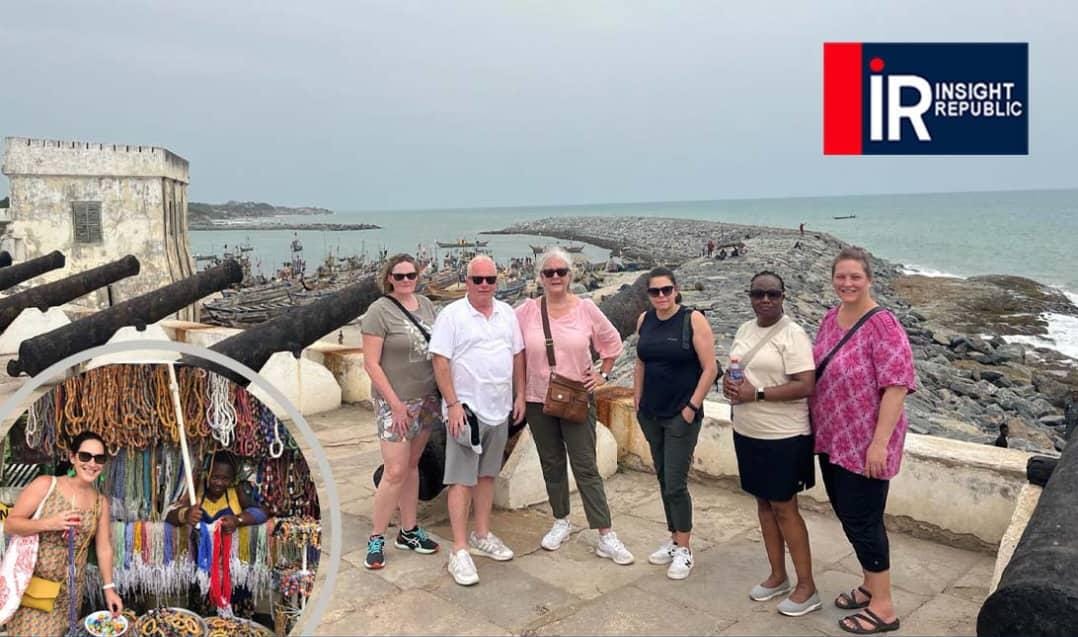
As Ghana deepens its courtship with global tourism, the recent anti-tourism protests erupting across Europe offer a cautionary tale worth heeding. From the sun-drenched shores of Majorca to the cobbled alleys of Barcelona, discontent is simmering. Locals, armed with water guns and placards, are pushing back against what they see as an invasion, “tourism that has outgrown its welcome”.
Ghana, still basking in the global afterglow of 2019’s Year of Return, has become a beacon for diaspora travellers, heritage tourists, and adventures. With growing visitor numbers, new hotel developments, and cultural festivals pulling in global crowds, the future looks bright. But that brightness could dim quickly if tourism expands without a sustainable, community-led strategy.
A Community Voice or an Economic Machine?
Europe’s backlash stems from tourism models that prioritize revenue over residents. In parts of Spain and Italy, rising rents, strained public services, and overcrowded public spaces have pushed locals to the brink. What was once a boost to the economy is now seen by many as a slow erosion of community life.
For Ghana, the message is clear: tourism must serve local people, not displace them. That means ensuring that communities are not only consulted, but also hold ownership stakes in tourism projects. Revenues should visibly translate into better roads, schools, and healthcare, not just profit margins for multinational hotel chains.
A similar instance to consider is Osu – Accra. Under the guise of “prime area”, anything that has a price on it is expensive than other areas in Accra. One might argue that Accra is the capital of Ghana and life in urban areas are usually exorbitant. Quite fair, however, Osu sticks out among the lot due to the presence of foreigners occupying most of the residential spaces in the community.
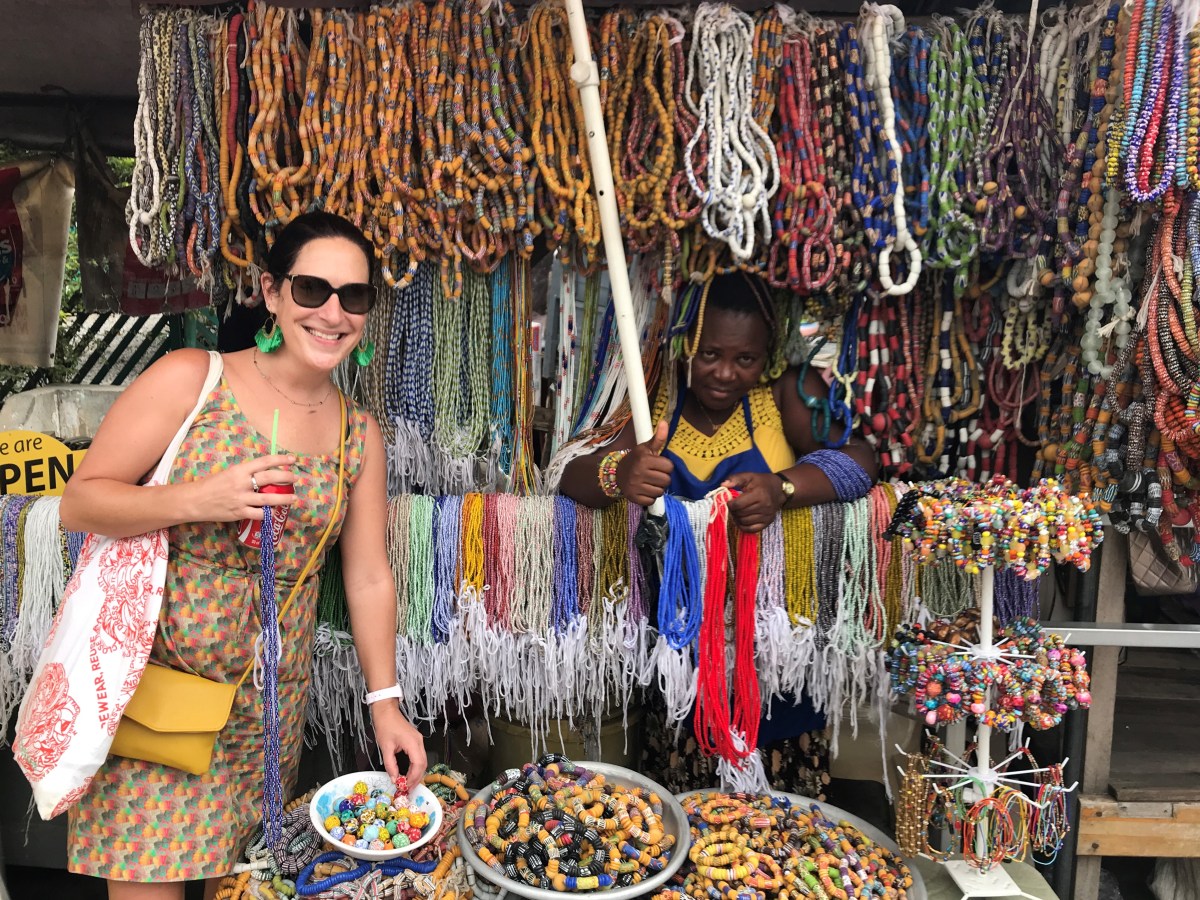
Locals are sometimes required to seek residence elsewhere as rent charges are regarded above standard prices. Foreigners, though do not seem to share the same perspective. To the local landlords foreigners
are the target market, cash cows at the ready to bring them wealth.
Environmental Stewardship Is Non-Negotiable
From the pristine waters of Lake Bosomtwe to the lush canopy walks of Kakum, Ghana’s ecological jewels are central to its tourist appeal. Yet, like Venice battling cruise ship-induced floods or Mallorca confronting beach erosion, Ghana faces its own environmental vulnerabilities.
Policies must get ahead of the curve and introduce visitor caps, enforce environmental regulations, and incentivize eco-conscious tourism operators. If nature is the product, protecting it is the business model.
Culture Is More Than a Performance
Ghana’s cultural wealth is unmatched, the beauty of Elmina Castle, the rhythm of Homowo and Abaokyere, the taste of waakye at dawn. However, over-commercialization risks turning living traditions into tourist gimmicks.
Tourism must amplify rather than dilute local culture. That means funding cultural institutions, supporting traditional leaders and artisans, and ensuring that performances remain authentic rather than stage-managed for tourist dollars.
Avoid the “One Destination” Trap
Barcelona’s woes are exacerbated by geographic concentrations, too many tourists in too few places. Ghana must learn to diversify its tourism geography. Accra, Cape Coast and Kumasi will always be magnets, but what of Ho, Wa, or Yendi? Promoting underexplored regions can spread economic benefits and reduce pressure on hotspots.
Seasonality is another factor. December may be peak season, but Ghana is beautiful all year-round. Smarter campaigns can help stretch tourist arrivals across the calendar, supporting jobs and local economies sustainably.
The Way Forward: Tourism Done For
Communities
Ghana stands at a pivotal crossroads. It can either follow the European path of growth-at-all-costs face the social backlash that follows or carve out a uniquely Ghanaian model of Afrocentric, sustainable, and inclusive tourism. That means putting communities at the centre, valuing the environment as a long-term asset, and treating culture not as a product but as a living identity. It calls for visionary policy, investment in infrastructure, and the courage to set limits where needed.
As tourists continue to arrive in greater numbers, Ghana must assess whether this growth enriches the lives of its people or merely its GDP.
If the voices rising in Barcelona are any indication, unchecked tourism isn’t just unsustainable; it’s unwelcome.
0 Comments
No comments yet. Be the first one to comment!