Ghana Cedi Emerges as Africa’s Best-Performing Currency in 2025 — IMF
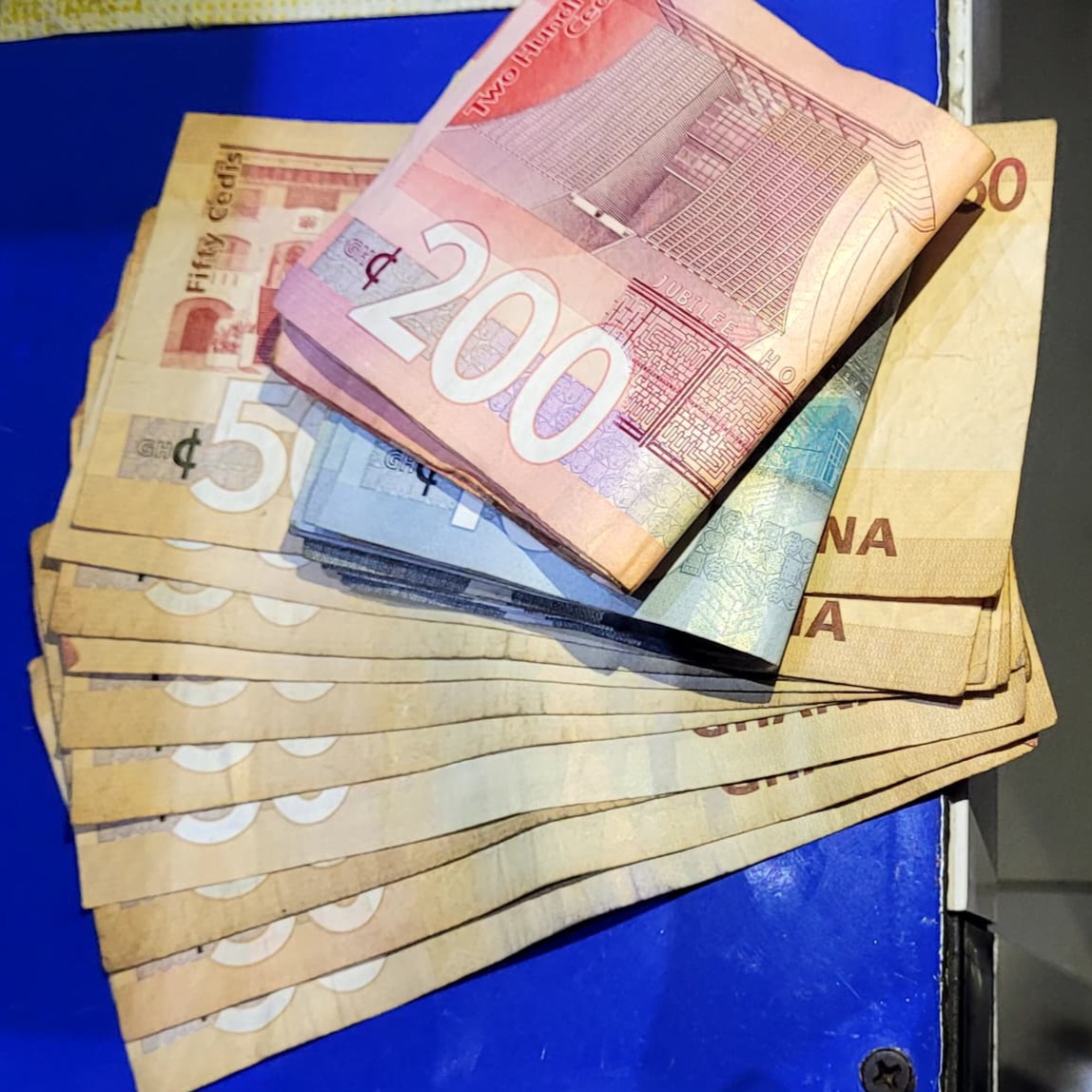
The IMF’s full-year review shows the cedi appreciated by more than 40% against the US dollar in 2025, outpacing more than 20 major African currencies tracked across the continent. The Ghanaian cedi (GHS) ended 2025 as Africa’s best-performing currency, according to data analysed by the International Monetary Fund (IMF).
This remarkable performance marks a sharp turnaround from previous years of currency volatility and steep depreciation, positioning the cedi at the forefront of Africa’s exchange rate recoveries.
According to IMF-derived assessments, the Ghana cedi appreciated by more than 40% in 2025 versus the US dollar. This gain outstripped that of other African currencies, including the Zambian kwacha and the Botswana pula, placing the cedi at or near the top of continent-wide performance rankings.
The World Bank also highlighted the cedi’s recovery, noting that it recorded the highest year-to-date appreciation among African currencies through much of 2025, driven by policy discipline and improved macroeconomic conditions.
The Bank of Ghana (BoG) has played a central role in the currency’s rebound. In official statements, BoG Governor Dr.Johnson Asiamah confirmed that the cedi had appreciated by roughly 37% by October 2025, reflecting a deliberate and disciplined monetary policy and strong market confidence.
BoG reports show several key measures supporting this performance as follows;
A tight monetary policy stance, maintained through high policy rates, to anchor inflation expectations.
Enhanced foreign exchange market interventions, including regular FX auctions to improve liquidity.
Stronger foreign exchange reserves, bolstered by gold and export-linked inflows, which helped cushion external pressures.
The recent tightening helped slow inflation towards the Bank’s target range and drew renewed investor confidence, contributing to sustained currency strength.
Ghana’s export performance, especially from commodities such as gold, cocoa and oil, also supported FX inflows in 2025. The Ghana Gold Board’s strategic gold procurement programme was credited with boosting foreign exchange receipts and strengthening the cedi.
By the end of September 2025, central bank gold holdings rose significantly, supporting reserve buffers and reducing external vulnerabilities.
The cedi’s performance stands out in a year marked by currency volatility across emerging and frontier markets. While some African currencies stabilised or posted modest gains, Ghana’s currency recorded some of the strongest relative gains on the continent.
International media and financial data platforms also tracked the cedi’s dramatic rebound, with the currency moving sharply from early-year lows to much stronger exchange rates against the US dollar.
The cedi’s appreciation has multiple macroeconomic implications including;
Lower import costs for businesses and consumers due to stronger purchasing power.
Potential reduction in foreign debt burden as the local currency strengthens against external obligations.
Improved investor confidence, which may support capital inflows and economic activity.
However, currency strength also carries considerations for export competitiveness and the sustainability of gains if external shocks materialise.
Analysts and policymakers note that while the 2025 performance is exceptional, sustaining currency strength will require continued macroeconomic discipline, diversification of FX earnings, and careful calibration of monetary policy.
The IMF and other institutions continue to monitor developments closely, recognising the cedi’s rebound as a notable achievement in the context of Ghana’s broader economic recovery.
0 Comments
No comments yet. Be the first one to comment!