Ghana Considers Higher Mining Royalties to Capture More Value from Gold Sector
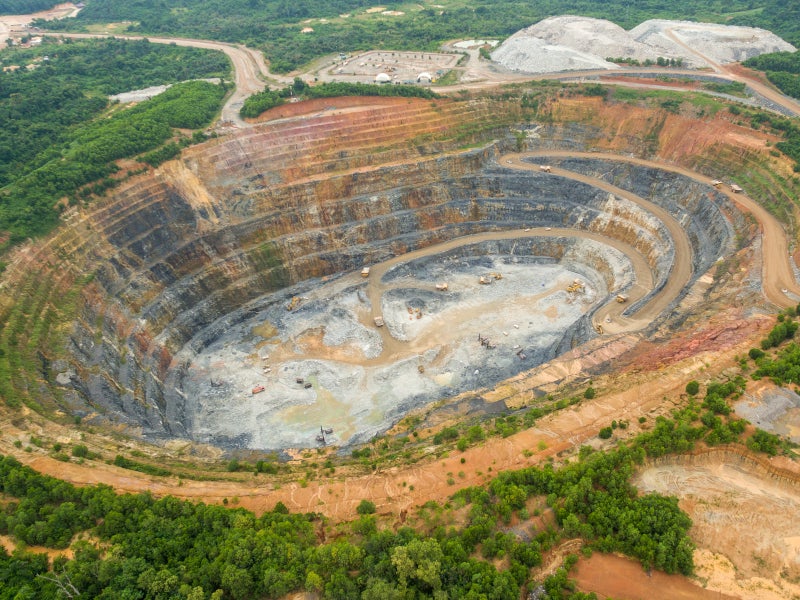
Ghana’s government is considering a major policy shift that could significantly increase the royalties paid by mining companies, particularly those involved in gold production. The proposal forms part of broader reforms aimed at enabling the country to capture a larger share of revenue from its natural resources.
Under the current framework, mining companies operating in Ghana pay a 5 percent royalty on the value of gold they produce. The government now plans to introduce a sliding royalty system that would range between 5 percent and 12 percent, depending on global gold prices.
In practical terms, the system would adjust royalty payments in line with market conditions. When international gold prices are low, companies would continue to pay around the current rate. However, during periods of high gold prices, royalty payments could rise significantly, reaching as much as 12 percent.
Officials argue that such a system would allow Ghana to benefit more directly from global commodity booms, ensuring that national revenues increase when the value of its resources rises.
The proposed reform reflects a growing policy focus within resource-rich countries to secure greater economic returns from extractive industries.
As Africa’s largest gold producer, Ghana plays a central role in the global gold market. Government officials say the country should therefore receive a greater share of the profits generated from the sector.
The policy is framed as part of a broader strategy to strengthen public finances, increase national revenue, and ensure that mining companies contribute more meaningfully to Ghana’s development.
Supporters of the reform argue that natural resources belong to the nation and that higher revenues could support public infrastructure, economic development, and social programmes.
Despite these goals, the proposal has triggered concern within parts of the mining industry.
Some companies warn that a sharp increase in royalties could make Ghana a less competitive destination for mining investment. Higher royalty rates, they argue, may increase operating costs and push investors to consider alternative mining jurisdictions within Africa or other regions.
Mining companies typically make long-term investments that depend heavily on predictable fiscal conditions. As a result, sudden policy shifts can influence decisions about future exploration and project expansion.
The proposal has also drawn attention from governments whose companies operate mines in Ghana. Countries including the United States, China, the United Kingdom, Canada, and Australia have reportedly raised concerns about the potential impact of higher royalties on their mining investments.
While such discussions are common in resource negotiations, they highlight the global dimension of Ghana’s mining sector and the delicate balance between national policy objectives and foreign investment interests.
Beyond the proposed royalty increase, the government is also exploring broader reforms within the mining sector.
These include reviewing long-term stability agreements, which currently protect some mining companies from future changes to tax and fiscal policies. Authorities are also considering adjustments to other mining levies in order to create a more balanced revenue system.
Taken together, these measures signal a wider effort to rethink how Ghana manages and benefits from its mineral wealth.
The challenge for policymakers will be striking a balance between maximising national revenue and maintaining a competitive investment environment.
Higher royalties could significantly boost government income during periods of strong gold prices. However, policymakers must also consider the long-term health of the mining sector, which remains one of Ghana’s most important economic pillars.
As discussions continue, the outcome of these reforms could shape the future of Ghana’s gold industry, and determine how the country converts its natural resource wealth into broader economic development.
0 Comments
No comments yet. Be the first one to comment!