Ghana's 24-Hour Economy Authority Is Now Being Set Up — Mahama
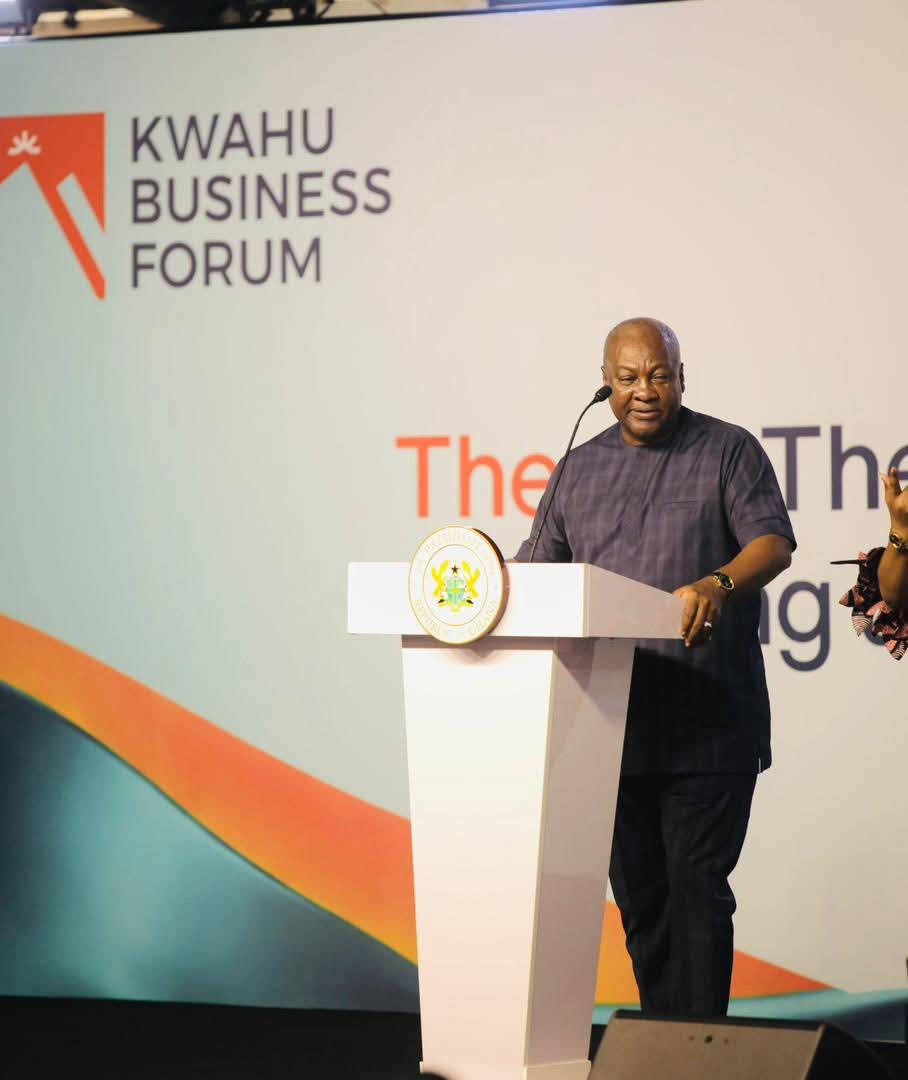
President John Dramani Mahama confirmed on Saturday that the government is actively establishing the 24-Hour Economy Authority, following Parliament's passage of the enabling legislation earlier this year, and that the authority will soon begin registering companies under the multi-shift economic framework.
Addressing business leaders at the Kwahu Business Forum in Mpraeso on April 4, Mahama described the progress as a milestone in delivering one of the National Democratic Congress's central campaign promises.
"Credits to Parliament, they've passed the 24-hour authority bill. And so we're in the process of setting up the offices and employing the officers into the authority," he said. "They'll begin the registration of companies under the 24-hour initiative. And I believe that there are many companies that are already working multiple shifts."
Legislative Background
Parliament passed the 24-Hour Economy Authority Bill on January 6, 2026, following extensive debate between the Majority and Minority caucuses. The legislation establishes the authority as a coordinating secretariat, tasked with liaising with Ministries, Departments and Agencies (MDAs) to drive economic transformation through enhanced production systems and supply chain management.
The NDC campaigned on the policy as a "three shifts, one job" framework designed to address Ghana's high youth unemployment by enabling companies across manufacturing, services, and agribusiness to operate around the clock rather than in a single daytime shift. The government estimates the initiative will create approximately 1.7 million jobs.
During the State of the Nation Address in February, Mahama announced a $110 million allocation to fund the establishment and initial operations of the new authority, describing the programme as "the boldest economic transformation initiative in Ghana's recent history."
Opposition Concerns
The bill passed over the objections of the Minority caucus. Kojo Oppong Nkrumah, Ranking Member on the Economy and Development Committee and MP for Ofoase Ayirebi, argued that the authority duplicated functions already performed by existing institutions including the Ministry of Trade and Agribusiness and the Ghana Export Promotion Authority. He described the initiative as "unnecessary and duplication" and questioned whether it would deliver on its job creation targets. The Minority also criticised the late submission of the 24-Hour Economy Policy document to Parliament, which limited the time available for scrutiny.
MoU With NPA and Private Sector Engagement
On March 31, 2026, the 24-Hour Economy Authority and the National Petroleum Authority (NPA) signed a Memorandum of Understanding to support round-the-clock operations across Ghana's downstream petroleum sector, with a nationwide pilot expected to cover approximately ten percent of the sector at launch. The government has also confirmed strategic partnerships with the Development Bank of Ghana (DBG) and the Ghana Infrastructure Investment Fund (GIIF) to provide financing and infrastructure support for businesses adopting the multi-shift model.
At Kwahu, the President cited companies such as Centuo, which already operates around the clock, as natural entrants into the registration programme. He also outlined a package of incentives designed to encourage broader business participation in the framework, though specific details of the incentive structure were not disclosed at the forum. Operational guidelines are expected to be rolled out in the coming weeks.
0 Comments
No comments yet. Be the first one to comment!