Ghana’s Parliament Passes Controversial Anti-LGBTQ+ Bill: An In-Depth Look at the Legislation and the Rising Tide of Global Debate
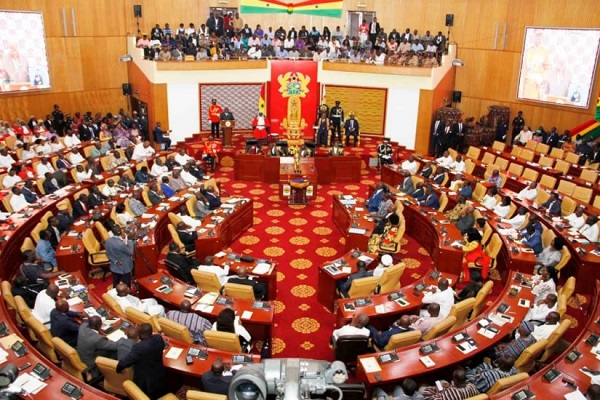
In a move that has intensified an already fierce national and international debate, the Parliament of Ghana has passed the Human Sexual Rights and Family Values Bill (commonly known as the anti-LGBTQ+ bill) on Friday May 29, 2026.
The legislation, which significantly expands the criminalization of LGBTQ+ identities, acts, and advocacy, was passed with strong bipartisan support. While proponents celebrate the bill as a necessary shield for the country's cultural identity, human rights organizations and financial analysts are raising alarm over its potentially devastating domestic and global repercussions.
Inside the Bill: What the Legislation Mandates
The Human Sexual Rights and Family Values Bill goes far beyond the country’s existing colonial-era laws, which previously criminalized "unnatural carnal knowledge" (consensual same-sex intimacy between men). The new bill explicitly broadens criminal sanctions to encompass identity, public expression, and support systems.
Key provisions of the legislation include:
Criminalizing Conduct and Identity: Individuals engaging in same-sex intercourse face up to 3 years of imprisonment. Furthermore, merely identifying publicly as lesbian, gay, bisexual, transgender, queer, or non-binary is strictly prohibited.
Public Displays of Affection: A "public show of romantic relations" between people of the same sex, or with someone who has undergone gender reassignment or cross-dresses, carries a prison sentence of 6 months to 1 year.
Cracking Down on Promotion and Advocacy: The bill targets allies, journalists, and educators. Anyone who produces, distributes, or teaches materials deemed to "promote" LGBTQ+ activities—or teaches children that there are more genders than the traditional binary—faces 6 to 10 years of imprisonment.
Dismantling Associations and Support: All LGBTQ+ organizations must be forcefully disbanded, with participants facing 6 to 10 years in prison. Crucially, digital platform owners or physical landlords who permit these groups to organize on their premises are held equally liable.
Healthcare and Family Restraints: The bill places a strict ban on providing transgender healthcare, while also prohibiting LGBTQ+ individuals from adopting or fostering children.
The Political Context: From Akufo-Addo to Mahama
The legislative journey of this bill has been long and tumultuous. It was originally passed by Parliament in February 2024 but was held in limbo when then-President Nana Akufo-Addo declined to sign it, citing pending constitutional challenges in the Supreme Court.
Following the transition of power, the bill was formally reintroduced as a private member's bill. Majority Leader Mahama Ayariga expressed strong confidence that President John Dramani Mahama will assent to the bill now that it has cleared the parliamentary hurdle. While President Mahama has previously indicated a preference for such sweeping legislation to be introduced as an official government bill rather than a private member's motion, he has consistently signaled his overarching support for its underlying principles.
The passage of the bill has triggered a sharp divide between conservative domestic institutions and global human rights and economic bodies.
Proponents: Safeguarding Ghanaian Values
Sponsors of the bill - backed heavily by a powerful coalition of Christian, Muslim, and Ghanaian traditional rulers - argue that the law is a democratic reflection of the moral convictions of the vast majority of Ghanaians.
"There is nothing that deals with LGBTQ better than this bill that has been passed by parliament," argued Sam George, one of the primary architects of the legislation.
Proponents argue that the law protects traditional family structures and resists what they characterize as the imposition of foreign cultural values.
Critics: A Catastrophe for Human Rights and the Economy
Conversely, a coalition of local and international human rights organizations, dubbed the "Big 18" in Ghana, has vehemently condemned the law. Human Rights Watch and Amnesty International have warned that the bill institutionalizes state-sanctioned discrimination, stifles free speech, and puts vulnerable citizens at immediate risk of vigilante violence and extortion. Activists note that human rights violations and arbitrary arrests against suspected LGBTQ+ individuals have already surged since the bill was first introduced.
Furthermore, severe economic warnings have emerged from within the Ghanaian government itself. The Ministry of Finance, the Bank of Ghana, and the Ghana Revenue Authority previously cautioned the executive branch against endorsing the bill. According to financial forecasts, the enactment of the law could jeopardize an estimated $3.8 billion in World Bank funding over the next five to six years, threatening to derail Ghana’s ongoing economic recovery and development projects.
Conclusion
As the bill moves toward the presidency, its ultimate fate may still intersect with legal gridlock. Legal experts and civil society groups continue to argue that the bill directly violates the Ghanaian Constitution, which guarantees equality, non-discrimination, privacy, and freedom of association for all citizens. Whether the law is codified by President Mahama or struck down by future judicial reviews remains the defining question for the future of human rights and international diplomacy in Ghana.
0 Comments
No comments yet. Be the first one to comment!