Ghana’s Visa-Free Africa Policy: Bold Vision, Political Timing, and Continental Stakes
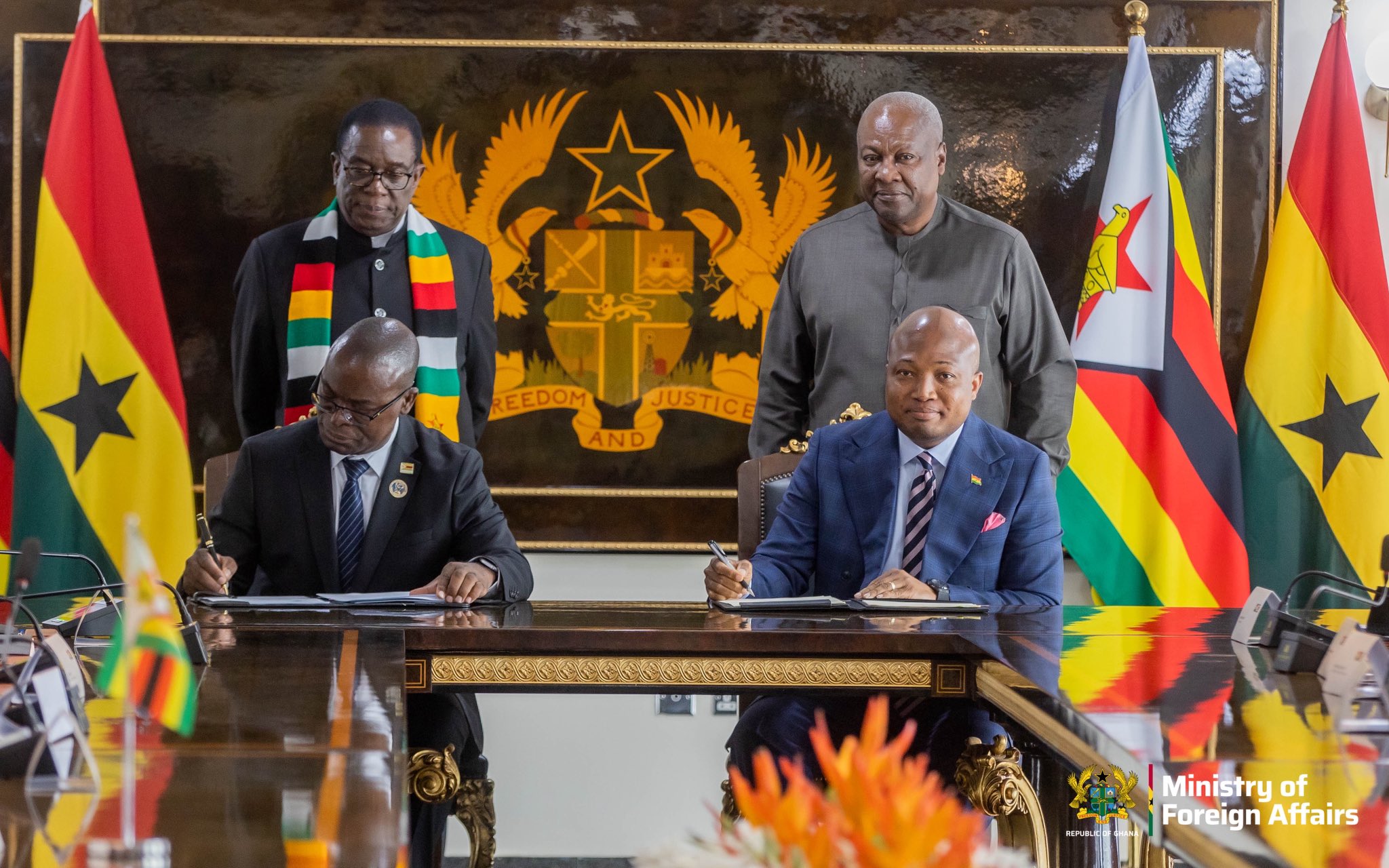
President John Mahama has announced a visa-free policy for all African travelers entering Ghana, set to take effect on May 25, Africa Day.
On the surface, the policy is simple: Africans can visit Ghana without a visa. But beneath that simplicity lies a deeper strategic move, one that touches tourism, trade, diplomacy, and Ghana’s long-standing identity as a leader in Pan-Africanism.
Ghana has always positioned itself as the ideological home of African unity, dating back to figures like Kwame Nkrumah. This visa-free initiative reinforces that identity. By removing travel barriers, Ghana is effectively saying:
Africa should be easier to move within than outside of.
Economic and cultural exchange should not be restricted by bureaucracy.
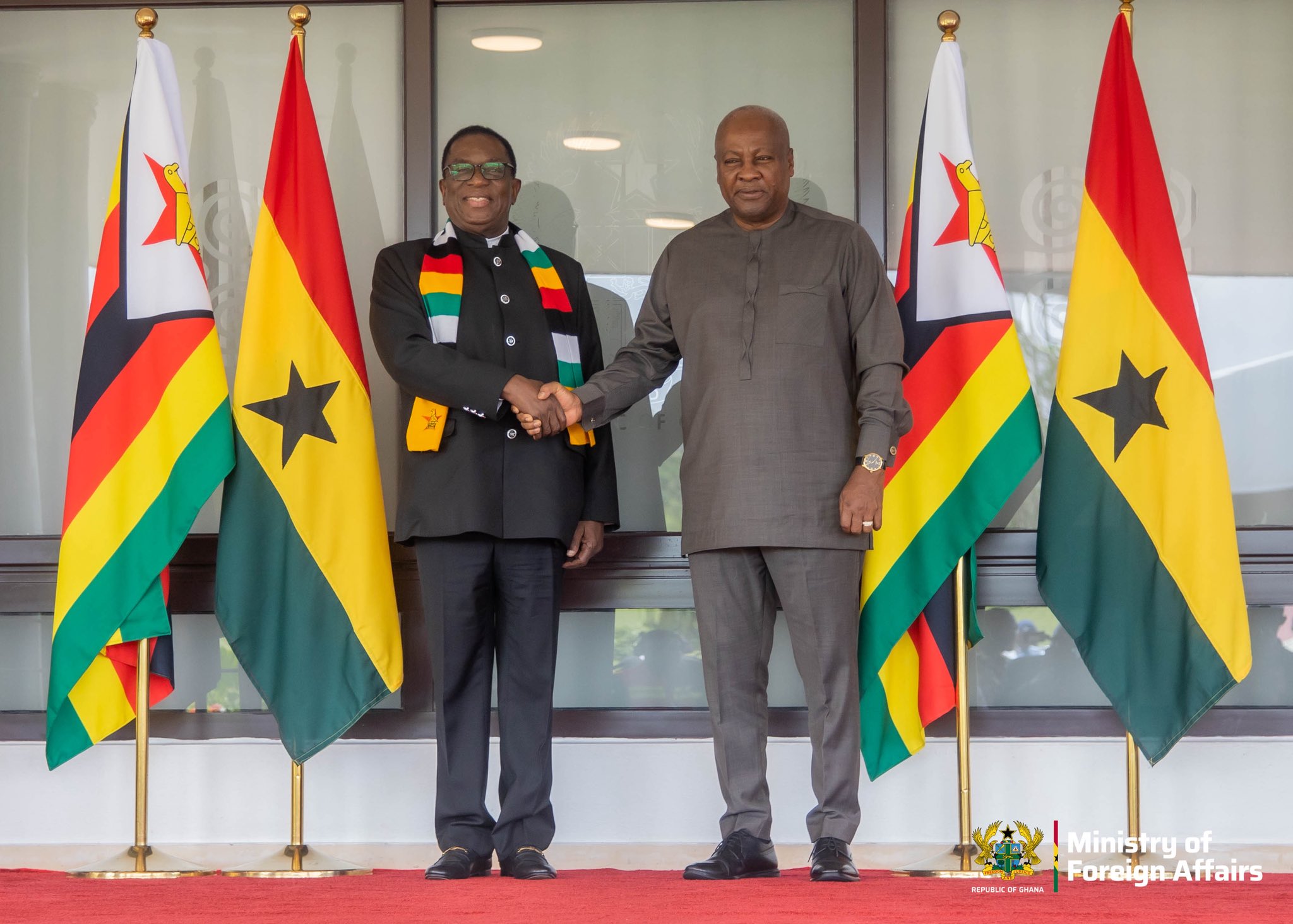
In principle, this aligns with broader continental goals such as the African Continental Free Trade Area (AfCFTA), where movement of people is just as important as movement of goods.
The government expects two immediate gains:
1. Tourism Growth: hospitality, tansportation, entertainment and culture.
2. Intra-African Trade: Easier entry lowers friction for: business travel, regional partnerships, informal trade networks.
In theory, this could strengthen Ghana’s position as a West African hub for commerce.
While the announcement is being credited to Mahama’s administration, there is a critical detail shaping the narrative. Former President Nana Akufo-Addo reportedly approved visa-free entry for all African passport holders earlier, with an effective date of January 2025, during his final days in office. This introduces a layer of political complexity:
• Is this a continuation of an existing policy?
• Or a rebranding and formal rollout under a new administration?
In reality, it may be both.
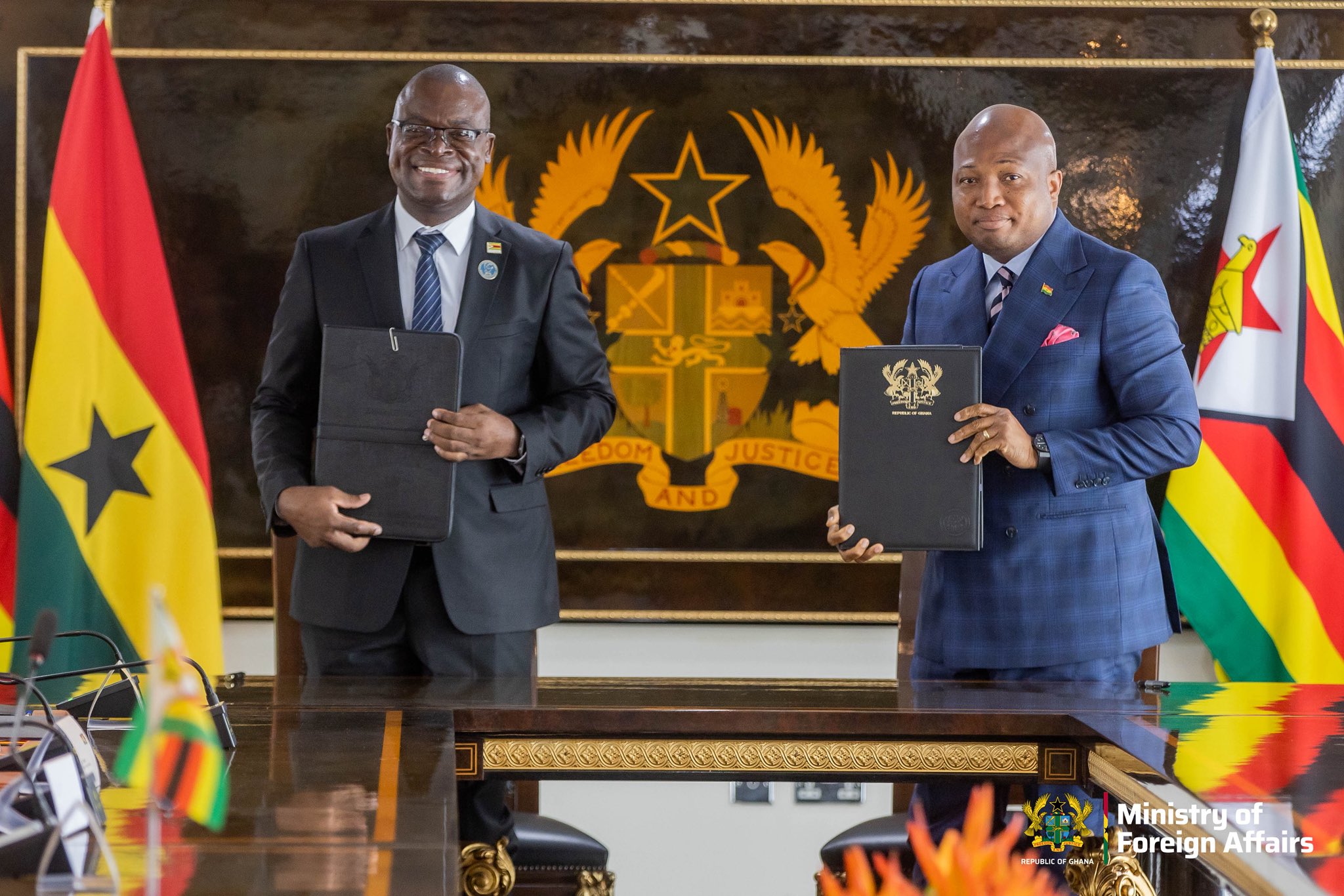
Policies of this scale often span administrations. What matters more is execution, and that responsibility now clearly sits with Mahama’s government. The visa-free policy is not entirely “open borders.” It will operate alongside a new e-visa system.
This is a strategic balance:
• Visa-free access simplifies entry
• e-Visa infrastructure maintains oversight and data tracking. In effect, Ghana is opening its doors, but not blindly.
One key issue remains unresolved: reciprocity. While Ghana is opening access to all African countries, not all African nations offer the same to Ghanaians. Mahama has indicated ongoing efforts to secure visa waivers for Ghanaian passport holders, with 23 agreements already negotiated. But the imbalance still matters. If not addressed, Ghana risks:
• Becoming more accessible than its citizens’ outbound opportunities.
• Carrying a disproportionate burden of openness.
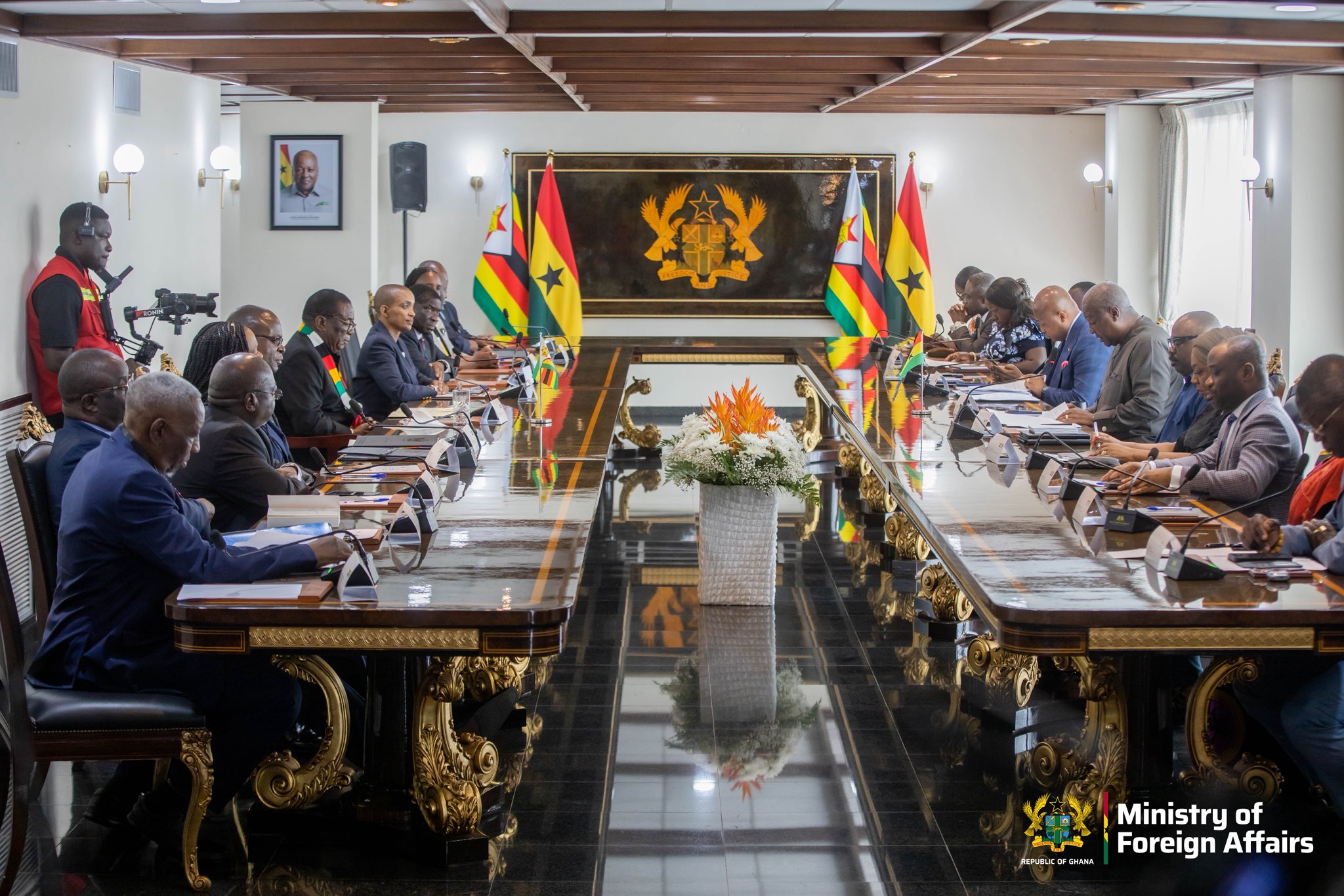
This policy is both symbolic and practical. Symbolically, it positions Ghana at the center of African unity. Practically, it is a calculated economic and diplomatic move. But perhaps the most important truth is this:
The success of visa-free Africa in Ghana will not be judged by headlines, but by outcomes.
• Do more Africans actually visit?
• Does trade increase?
• Do Ghanaians gain equal access across the continent?
If the answers are yes, this could become one of the most impactful policies in modern Ghanaian diplomacy. If not, it risks becoming another well-intentioned idea that struggled in execution.
0 Comments
No comments yet. Be the first one to comment!