Global Rush to Reopen Hormuz as Africa Faces Energy Shock
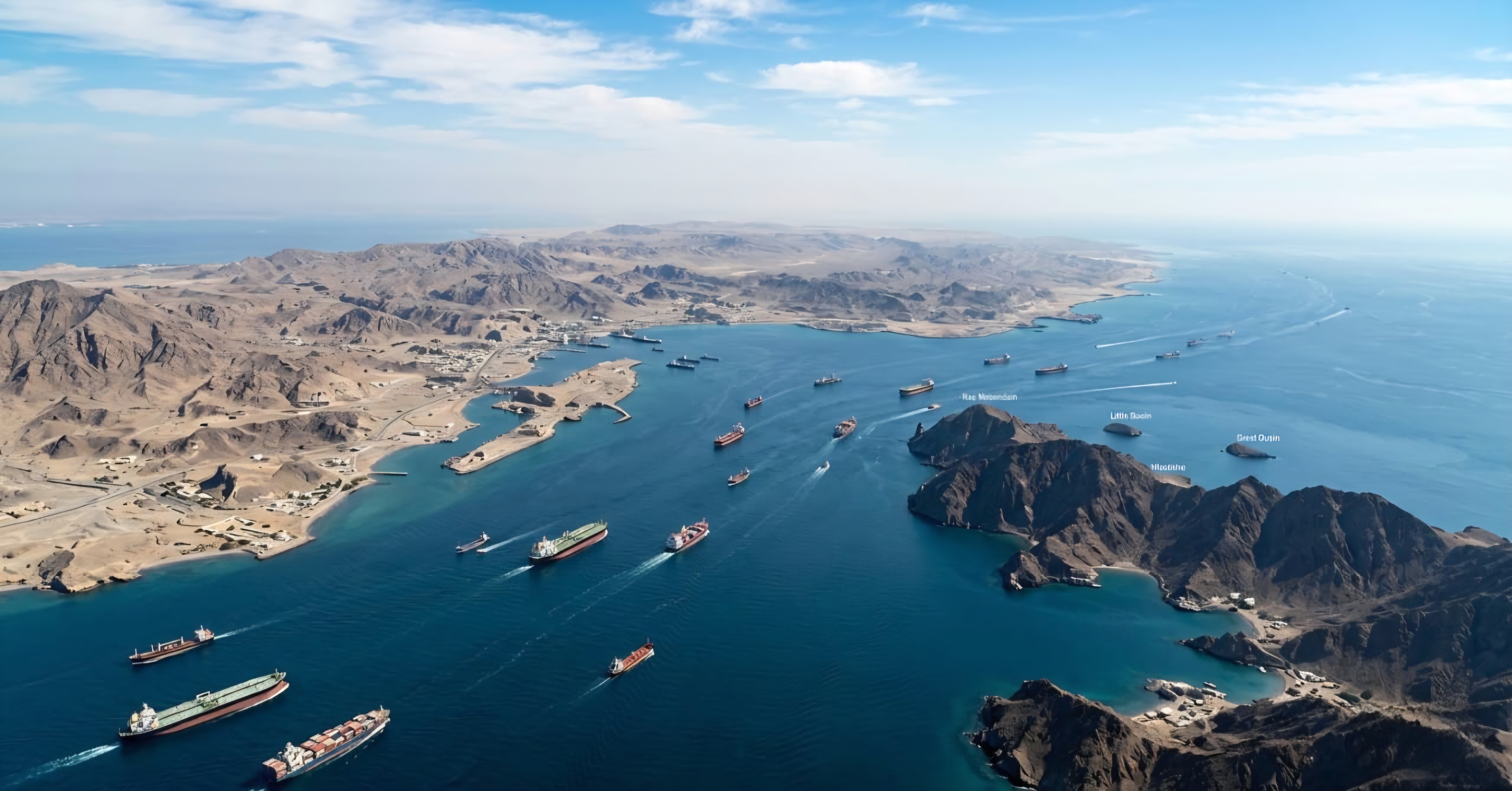
A major international effort is underway to reopen the Strait of Hormuz, one of the world’s most critical oil routes, following its closure by Iran after recent military strikes by the United States and Israel. The disruption has triggered a sharp global energy crisis, with African economies among the hardest hit.
The Strait of Hormuz handles about 20% of the world’s seaborne oil. Its closure has severely constrained supply, sending Brent crude prices soaring above $100 per barrel and peaking at $126, levels not seen in years. Analysts describe the situation as the most significant oil supply shock since the 1973 oil embargo.
In response, more than 30 countries, including Nigeria, have condemned Iran’s actions, citing threats to global trade and energy security. The coalition — which includes the United Kingdom, France, Germany, Japan, and Canada — has called on Iran to halt all activities disrupting commercial shipping, including mine-laying and drone attacks.
To address the crisis, Britain is planning a high-level security conference aimed at forming a multinational coalition to protect and eventually reopen the strait. The meeting is expected to take place in London or at a key naval facility. However, progress may depend on easing tensions between the United States, Israel, and Iran, as major powers have signalled that any naval intervention would require a pause in hostilities.
For African nations, the consequences are already severe. Many countries on the continent rely heavily on imported fuel, making them vulnerable to price shocks. Rising oil costs are increasing inflation, weakening local currencies, and widening trade deficits. Governments have begun introducing emergency measures to reduce fuel consumption, but these steps offer only limited relief.
The crisis is also affecting humanitarian operations. The United Nations has warned that supply chains for essential goods are under strain, with aid deliveries facing delays. This raises concerns for countries already dealing with food insecurity and economic fragility, particularly those dependent on imports of grain and fertilisers from the Middle East.
While diplomatic efforts continue, uncertainty remains high. A successful agreement to secure and reopen the Strait of Hormuz could stabilise global energy markets. Until then, African economies, already stretched by external shocks, are likely to bear a disproportionate share of the crisis.
0 Comments
No comments yet. Be the first one to comment!