Government to Complete 23 Stalled Road Projects Under GH¢15bn Infrastructure Drive
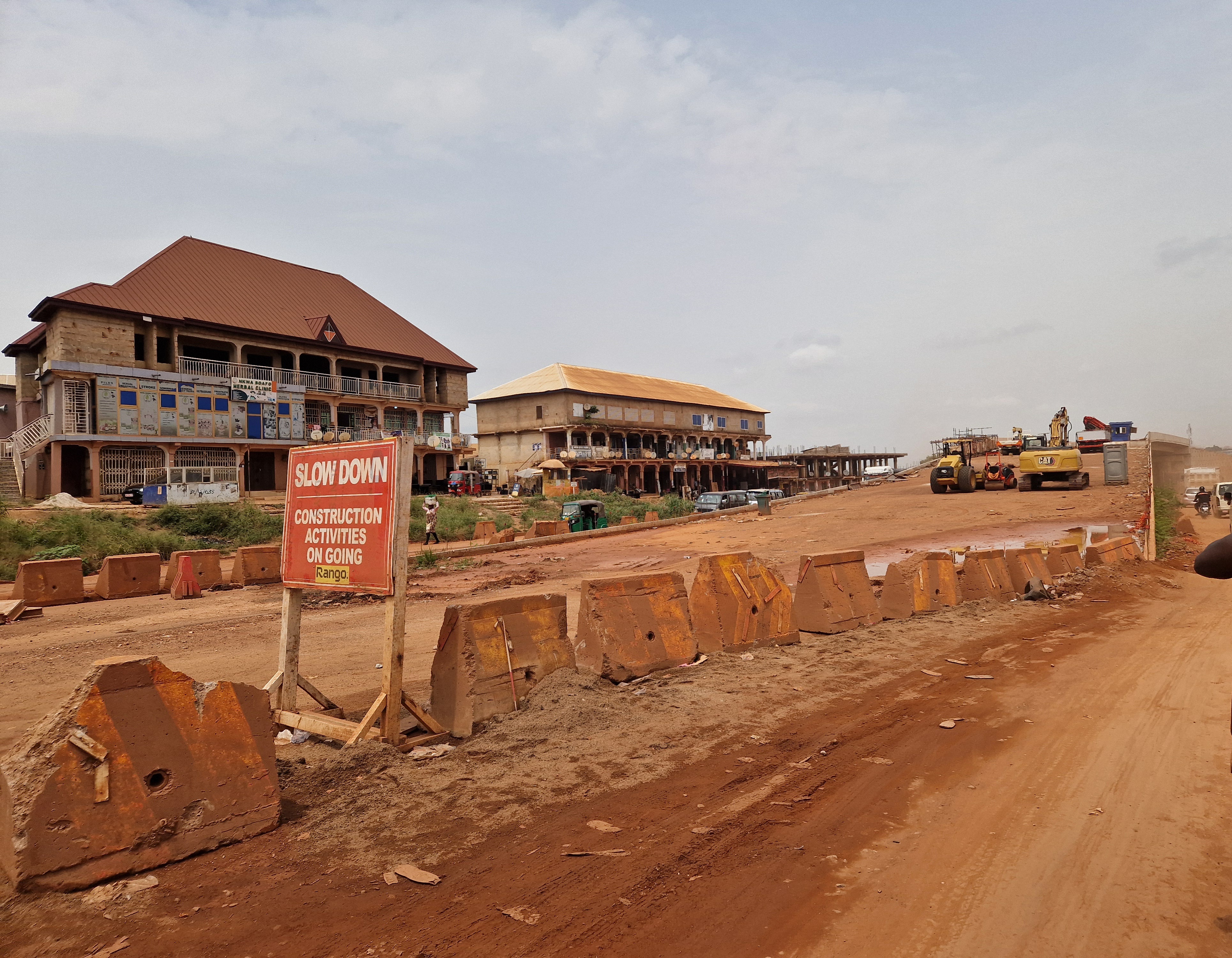
President John Dramani Mahama has announced plans to complete 23 major road projects inherited in various stages of completion, with an estimated cost of GH¢15 billion.
Delivering the 2026 State of the Nation Address (SONA) on February 27, the President stated that the projects, awarded under the previous administration but left unpaid or stalled, will be prioritised under the government’s broader infrastructure acceleration agenda.
The completion plan forms part of what the administration describes as its “Big Push” initiative, a policy framework aimed at stimulating economic activity through capital expenditure, job creation and improved connectivity.
Road infrastructure remains central to Ghana’s domestic trade ecosystem. Incomplete corridors, particularly those linking production centres to urban markets, have constrained mobility, increased logistics costs and limited regional economic integration.
By targeting stalled projects rather than announcing an entirely new portfolio, the government appears to be adopting a consolidation strategy focusing on unlocking sunk investments rather than expanding fiscal exposure.
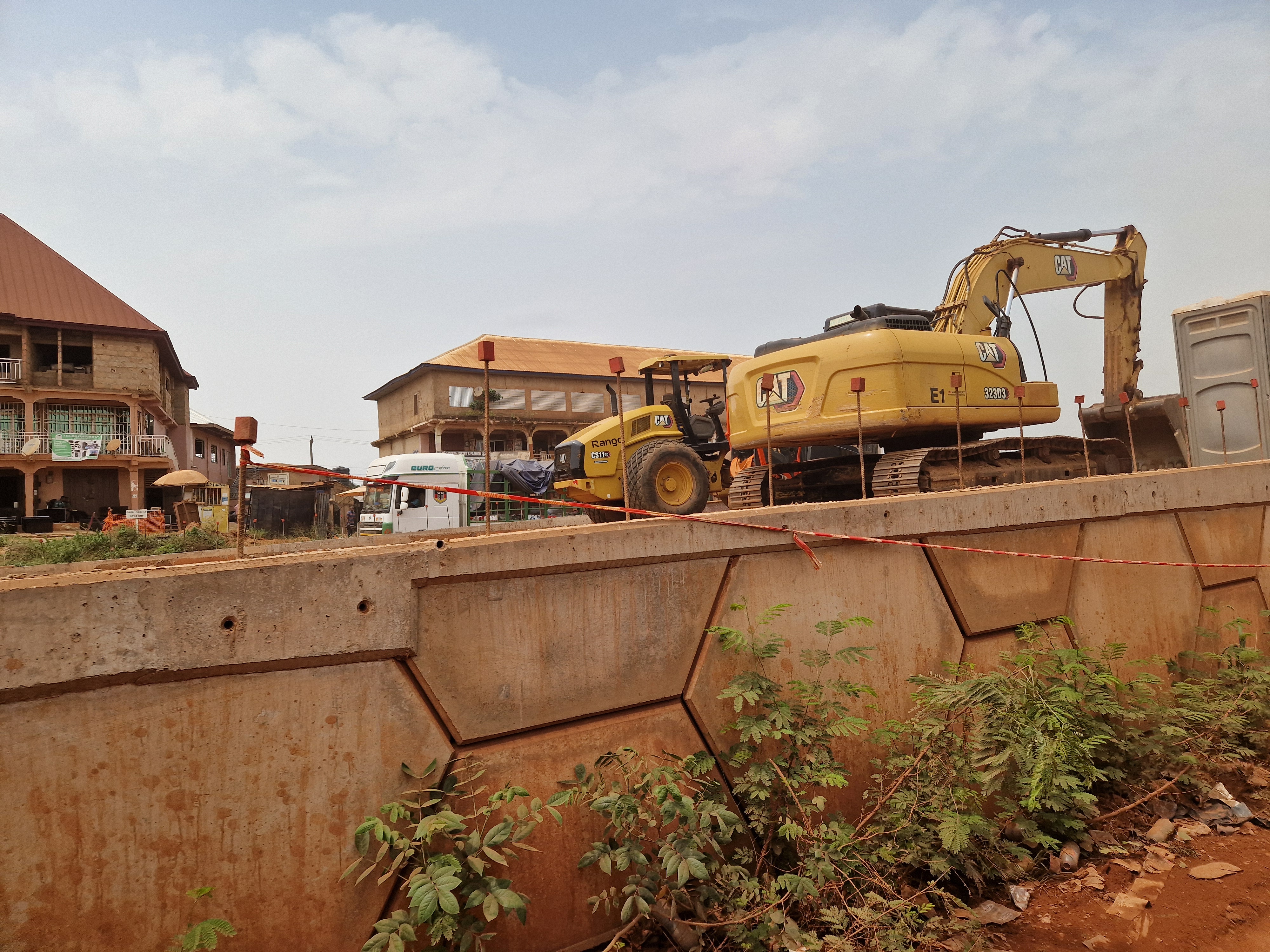
The GH¢15 billion price tag, however, underscores the scale of the commitment at a time when Ghana continues to navigate fiscal constraints and debt sustainability pressures.
Key considerations include:
Funding structure and cash flow scheduling
Contractor payment arrears and renegotiations
Quality control and project supervision
Transparency in procurement and disbursement
Accelerating completion without widening fiscal deficits will require disciplined execution and potential restructuring of outstanding contractual obligations.
Economic and Regional Implications
From a macroeconomic standpoint, infrastructure completion could:
Improve trade efficiency and reduce transport costs
Enhance rural–urban market access
Stimulate employment in construction and allied sectors
Increase land and property values along corridors
At a regional level, improved road networks also support ECOWAS trade integration objectives, particularly along transit routes connecting Ghana to neighbouring markets.
The decision to complete inherited projects carries both economic and political signals. Economically, it suggests continuity in national infrastructure priorities. Politically, it positions the administration as focused on delivery and asset recovery rather than project proliferation.
The President emphasised that the initiative will prioritise quality, timeliness and accountability, stating that public funds must translate into tangible development outcomes.
The effectiveness of the programme will depend less on announcement value and more on implementation discipline. Timelines, financing transparency and measurable progress indicators will shape investor and public confidence.
If executed efficiently, the completion of these 23 projects could unlock stranded capital, improve productivity and strengthen internal connectivity. If delayed or underfunded, however, the programme risks reinforcing existing infrastructure backlogs.
The coming budget cycle and procurement disclosures will offer clearer insight into how the GH¢15 billion commitment will be financed and sequenced.
For now, the administration’s message is to focus on infrastructure consolidation, not expansion, as the immediate priority in Ghana’s road development strategy.
0 Comments
No comments yet. Be the first one to comment!