Indigenous Languages in Modern Urban Life: The Plight of the Ga-Dangme Community
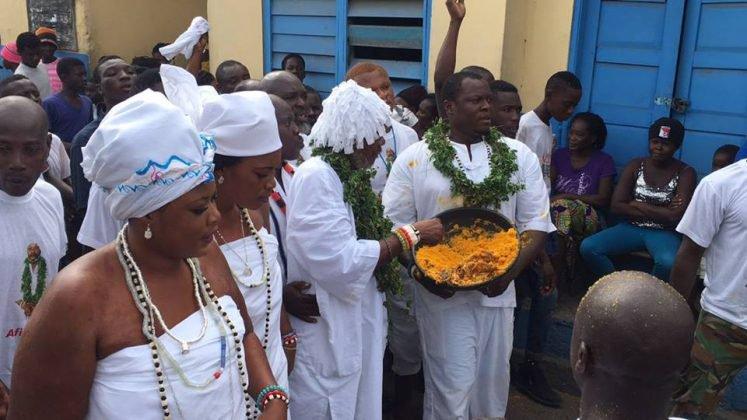
In the bustling streets of Accra, where English and dominant Ghanaian languages echo in markets and offices, a quieter concern grips many of the city’s original inhabitants. The Ga-Dangme language - once a cornerstone of cultural identity - is increasingly fading from everyday life.
A Language at Risk in Its Own Capital
Ga-Dangme, the language of the Ga and Dangme peoples, is spoken across southeastern Ghana, particularly in communities such as Jamestown, Osu, La, Teshie, Nungua and Tema. Despite a speaker base still numbering in the hundreds of thousands, researchers warn that the language is declining among younger generations, especially in urban environments where English and other dominant Ghanaian languages prevail.
The consequences are not merely linguistic. Experts argue that when a language weakens, cultural knowledge and identity erode with it.
Custodians Speak on Preservation and Identity
On preserving indigenous tongues, King Tackie Teiko Tsuru II, Ga Mantse, has been vocal. He recently called for Ga and Dangme to be taught compulsorily in all basic schools, emphasising that the languages carry cultural values and community history.
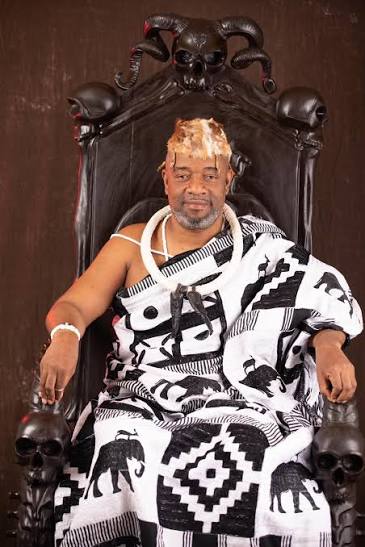
“Language is the vessel of culture. To lose it is to lose our story, our values, and our identity,” the Ga Mantse said in September 2025 while urging education authorities to act.
His words reflect a broader concern among traditional leaders that indigenous languages need institutional support to survive.
Community Voices and Educational Challenges
Local leaders echo these sentiments. Naa Tsotsoo Soyoo I, a Ga community voice, lamented the absence of Ga and Dangme in many local schools.
“The Ga and Dangme languages are not being taught in our schools in the Greater Accra region and this puts the languages … in danger of being annihilated and I think it is a call for concern for all of us,” she told reporters.
The problem, she said, is compounded when trained language teachers are posted out of Ga-Dangme areas, leaving a gap in formal instruction.
Linguists and Language Experts Weigh In
Language experts across Ghana have underscored the importance of robust indigenous language ecosystems.
Professor Opanin Kofi Agyekum, Head of Linguistics at the University of Ghana, has repeatedly warned about the trend of families substituting English for native languages at home.
“In many homes in Ghana, people do not speak their native languages — they prefer to use English … Our cultural heritage is our language,” he said at a 2025 event promoting local language preservation.
His caution resonates with broader language preservation research showing that indigenous tongues can become endangered when they are used primarily by older generations. A recent study notes that Ga-Dangme is among Ghanaian languages classified as “definitely endangered”, meaning its use is diminishing outside older speakers.
Media Representation and Public Discourse
Media presence matters in keeping languages alive. While local languages have found a place on some radio and TV platforms, scholars argue that consistent and meaningful representation remains limited.
Professor Audrey Gadzekpo, a media academic, has emphasised that local languages gain legitimacy when they are present in public discourse through media.
“The spread of local language media stations across the country has been especially empowering as it has allowed many more Ghanaians to benefit from and participate in issues of national interest,” she said in a recent lecture.
While Gadzekpo’s commentary was focused broadly on language in media, it reflects a widely held view among communication scholars that media visibility strengthens linguistic and cultural vitality.
Urbanisation, Identity and Everyday Language Use
In Accra’s cosmopolitan setting, English and Akans’ languages like Twi have emerged as common lingua francas. This dynamic, while facilitating wider communication, can inadvertently marginalise indigenous speakers.
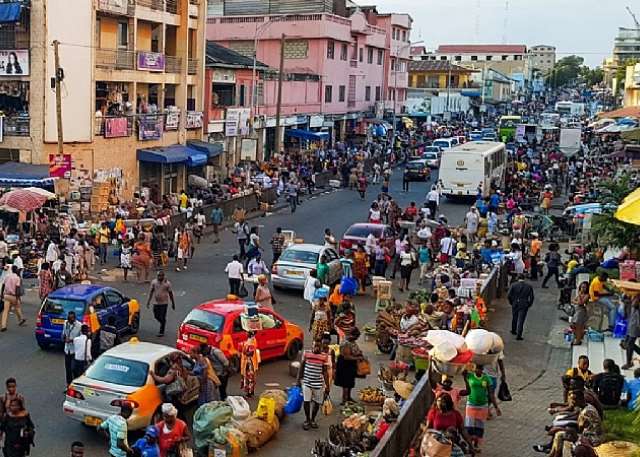
Residents of Ga-Dangme heritage often acknowledge this shift. Cultural dynamics in cities transform language hierarchies, leading many youths to rely more on dominant languages in school, social media and professional spaces.
Why This Matters Beyond Words
Language is not simply a tool for daily interaction; it encodes history, worldview, social values and collective memory. Losing a language means losing a unique way of seeing the world.
For the Ga-Dangme community, preserving their indigenous tongue is about more than communication — it is about safeguarding a living heritage in the thriving urban heart of Ghana.
As policy dialogues continue and community leaders push for formal education reforms, the question for Accra, and other African cities, is whether urban life can make room for its oldest voices without leaving them behind.
Sources: Dangme language reports; Ga Mantse statements; academic commentary on indigenous language decline; linguist quotes from Ghanaian language events and media.
0 Comments
No comments yet. Be the first one to comment!