Israel-US Strikes on Iran Escalate Middle East Tensions: A Strategic Breakdown
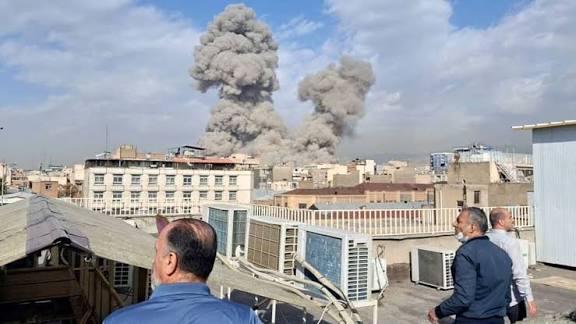
A coordinated military operation by Israel and the United States has significantly escalated tensions in the Middle East, marking one of the most serious confrontations between the parties in recent years. The strikes, described as pre-emptive, targeted strategic locations inside Iran and have triggered heightened security alerts across the region.
What Happened
Israeli authorities confirmed launching strikes against multiple sites believed to be linked to Iran’s military and strategic infrastructure. U.S. forces reportedly supported aspects of the operation, signalling a joint approach to addressing what both governments characterize as growing security threats.
In response, Iran confirmed explosions in several locations and signalled its readiness to retaliate. Airspace closures and emergency measures were implemented across affected territories as governments prepared for possible counter-attacks.
Why It Matters
This development represents more than a single military exchange. It reflects deep-rooted strategic rivalry shaped by years of tension over Iran’s nuclear ambitions, ballistic missile development, and regional influence.
Israel has consistently maintained that it will act to prevent Iran from reaching advanced military capabilities it considers threatening. The United States’ involvement underscores the strength of its security partnership with Israel and its broader strategic interests in the region.
For Iran, the strikes are viewed as a direct violation of sovereignty, reinforcing its narrative of external aggression and justifying retaliatory measures.
Regional Implications
The immediate concern is escalation. A cycle of retaliation could draw in allied forces and proxy groups across the Middle East, widening the scope of confrontation beyond bilateral engagement.
Neighbouring states are monitoring developments closely, particularly given the potential spillover effects on:
Regional airspace and aviation routes
Energy infrastructure and oil markets
Maritime security in strategic waterways
Broader diplomatic alignments
Even limited strikes can have global economic consequences, especially in energy pricing and investor confidence.
Strategic Calculations
From a strategic standpoint, the operation appears aimed at deterrence, disrupting capabilities and signalling resolve. However, deterrence can quickly transform into prolonged conflict if retaliatory responses escalate beyond controlled thresholds.
Both sides now face critical decisions:
Whether to pursue sustained military engagement
Whether to limit operations to symbolic retaliation
Whether diplomatic channels can be reopened to prevent further escalation
The Road Ahead
The situation remains fluid and highly sensitive. The coming days will determine whether this episode becomes a contained confrontation or evolves into a broader regional crisis.
What is clear is that the balance of power dynamics in the Middle East has entered a more volatile phase. The strategic calculations made now by Israel, Iran and the United States will shape not only regional stability but global geopolitical alignment in the months ahead.
0 Comments
No comments yet. Be the first one to comment!