Ken Ofori-Atta Appears in U.S. Court as Ghana Eyes Possible Extradition
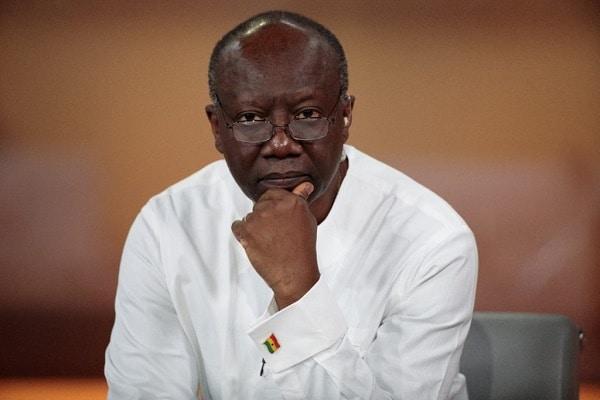
Former Finance Minister Ken Ofori-Atta is expected to appear before a court in the United States today following the reported revocation of his U.S. visa, a development that has reignited national debate in Ghana over accountability, governance, and the legal consequences of public office.
While details of the proceedings remain limited, available information suggests the case is currently centered on immigration and legal status issues in the United States. However, the situation has drawn heightened attention in Ghana, where authorities are reportedly monitoring the process closely amid discussions about the possibility of extradition.
Mr. Ofori-Atta, who served as Ghana’s Minister for Finance during a period marked by severe economic strain, has been at the center of public scrutiny since leaving office. His tenure coincided with rising debt levels, inflationary pressures, and the eventual decision by the government to seek assistance from the International Monetary Fund.
Reports indicate that the U.S. proceedings are not, at this stage, criminal trials related to Ghana’s economic management, but rather legal processes connected to his immigration status. Nonetheless, the case has opened a broader conversation within Ghana about unresolved concerns surrounding fiscal decisions made during his time in office.
In Ghana, calls for accountability have intensified, with sections of the public and civil society demanding further investigations into economic decisions taken during the crisis years. This has placed renewed focus on whether Ghana could pursue extradition should legal grounds arise.
However, extradition is a complex and strictly judicial process. It typically requires formal charges, clear evidence, and adherence to bilateral agreements between states. Political pressure alone, is insufficient to trigger extradition without a clear legal basis.
Beyond the immediate legal questions, the situation carries symbolic weight. For many Ghanaians, the case represents a broader test of whether senior public officials can be held accountable after leaving office, particularly when their decisions have far-reaching national consequences.
The developments have also sparked debate about institutional strength, the rule of law, and the extent to which governance systems can pursue transparency without politicisation.
As proceedings unfold in the United States, both legal observers and the Ghanaian public will be watching closely. Any next steps, whether related to immigration rulings, further legal action, or potential extradition discussions, will depend on judicial outcomes rather than public sentiment.
For now, the case stands as a reminder of the enduring questions surrounding leadership, responsibility, and accountability in public service.
0 Comments
No comments yet. Be the first one to comment!