Minority Caucus Demands Dismissal of Foreign Affairs Minister Ablakwa
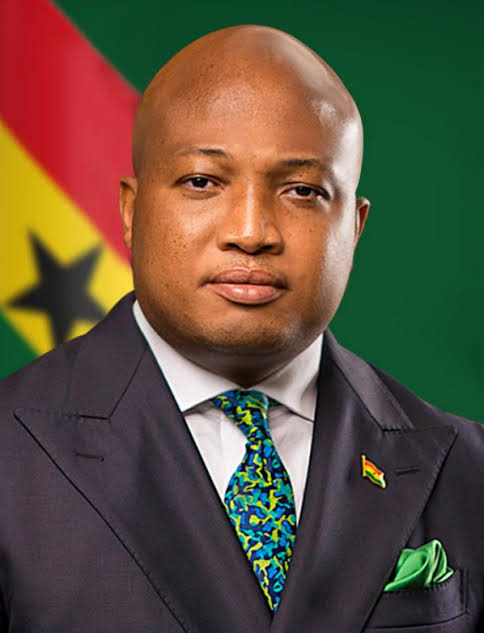
Proceedings in Ghana’s Parliament were disrupted following sharp exchanges between the Majority and Minority caucuses over calls for the dismissal of Foreign Affairs Minister, Samuel Okudzeto Ablakwa. The disagreement, which unfolded during parliamentary business, reflected deepening partisan tensions over the government’s handling of foreign policy and its response to recent international developments.
These calls for dismissal stemmed from various factors, but the recent catalyst was the US issuing a visa freeze for a number of countries, with Ghana being included. The said statement declared an indefinite suspension on immigrants’ visas, which is to take effect on January 21, 2026. The Minority blames “public diplomacy tactics” and alleged mishandling of US-Ghana communications for this outcome, saying it could cost Ghana between $1.5 billion and $2.5 billion annually in remittances. This is the most recent catalyst which led the Minority to urge the President to dismiss the Minister of Foreign Affairs.
The next cause of this sharp exchange in Parliament was what the Minority described as “reckless” diplomacy with other states. The Minority accuses Foreign Affairs Minister Samuel Okudzeto Ablakwa of abandoning Ghana’s long-standing tradition of measured, quiet diplomacy in favour of what it calls reactive and confrontational responses to international disputes. The Minority makes reference to the detention and deportation of Ghanaian nationals in Israel, for which the ministry released official responses that they believe are retaliatory rather than conciliatory, which aligns with Ghana’s historical behind-the-scenes engagement and not public confrontation. They claim that this could potentially weaken Ghana’s leverage and risks alienating strategic partners.
Following this, the Minority alleged that the preference for public posturing over quiet engagement is concerning. They claim that Minister Ablakwa increasingly conducts diplomacy through press conferences, public statements, and social media communications instead of relying on confidential diplomatic channels. They argue that this turns sensitive foreign relations into domestic political messaging, risks international isolation, and makes compromise harder once positions are publicly entrenched.
Many political actors and institutions have responded in different forms, with the Majority rejecting the proposal. Alfred Okoe Vanderpuije, Chairman of Parliament’s Foreign Affairs Committee, stated that decisions by foreign governments, like the US policy, cannot be laid at the feet of Ghana’s Foreign Minister. Journalist Kwesi Pratt Jnr. also criticised the Minority’s stance, calling the call for removal disconnected from global diplomatic realities and warning against reducing Ghana’s foreign policy to partisan politics.
However, the specifics of the demand were as follows: immediate dismissal of Foreign Affairs Minister Ablakwa by President John Mahama; a comprehensive public account of all official communications between Ghana and the US over the past 18 months; evolving a strategy to remove Ghana from the US list; an economic impact assessment of the visa freeze; the establishment of a technical working group with US authorities; and the appointment of a special envoy for diaspora and migration affairs. Their statement framed these steps as urgent national interest requirements.
0 Comments
No comments yet. Be the first one to comment!