Mismatch at the Top: How Thomas Frank’s Spurs Tenure Unraveled
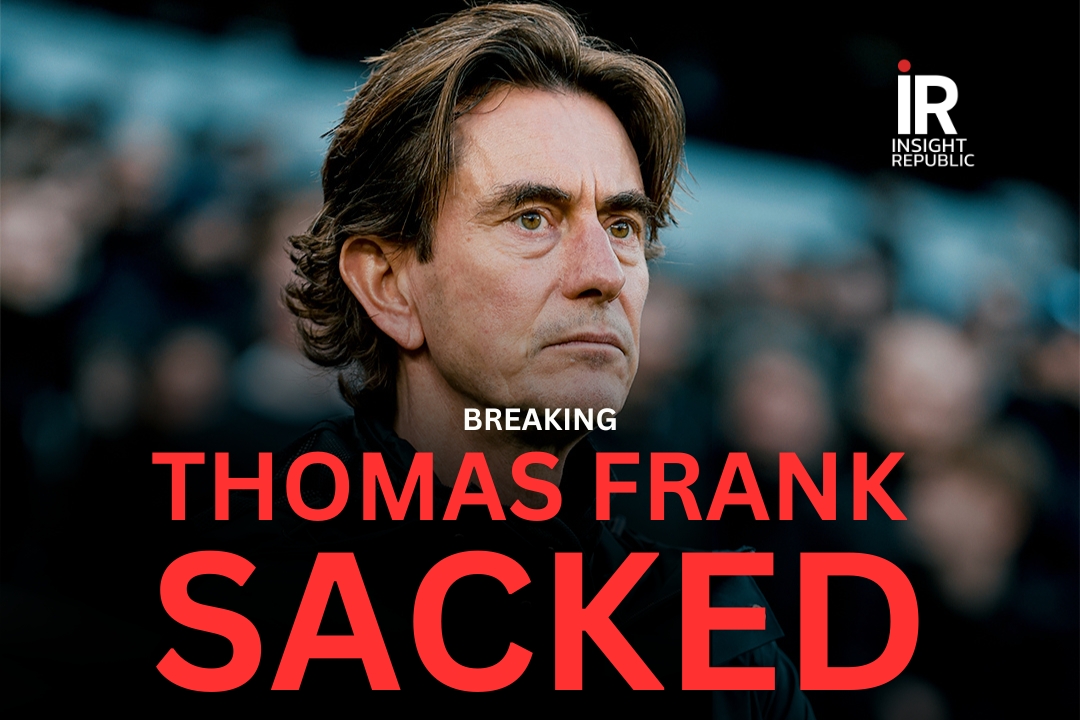
When Tottenham Hotspur appointed Thomas Frank, it was widely framed as a bold, progressive move, a manager admired for tactical flexibility, player development, and punching above his weight at Brentford. But what looked visionary on paper quickly revealed itself as a high-risk gamble. Spurs attempted to transplant a system designed for structural patience and underdog resilience into a club defined by urgency, expectation, and fragile dressing-room dynamics. The contextual mismatch was underestimated.
Frank’s Brentford success was built on cohesion, precise recruitment, and a clearly drilled mid-block system that maximised marginal gains. Tottenham, by contrast, required immediate authority, defensive stability, and the ability to manage elite egos in a volatile environment. The transition exposed a structural flaw: what works in a tightly controlled ecosystem does not automatically scale to a club with Champions League ambitions and relentless scrutiny.
Tactically, the warning signs emerged early. The attempt to impose expansive build-up patterns without a reliable defensive spine left Tottenham exposed in transition. Frank’s preference for controlled pressing structures clashed with a squad assembled for moments of individual brilliance rather than synchronised intensity. The result was inconsistency: dominant passages of play followed by structural collapses. In the Premier League, inefficiency is punished ruthlessly.
Beyond the pitch, the psychological dimension proved decisive. Tottenham’s recent managerial history reflects instability, from Mourinho to Conte to transitional figures. Frank’s calm, analytical persona, effective at Brentford, struggled to impose authority in a dressing room conditioned by turbulence. Leadership at a club like Spurs demands not just tactical acumen but narrative control, the ability to reset culture while delivering points. That equilibrium never materialised.
Ultimately, Frank’s tenure illustrates a recurring lesson in elite football governance: managerial appointments are not about ideology alone but contextual fit. Tottenham bet on continuity of method over alignment of environment. The gamble was intellectually defensible but operationally flawed. In modern football, the margin between bold vision and bitter failure is rarely philosophical; it is structural.
0 Comments
No comments yet. Be the first one to comment!