Motivating Employees Beyond Perks - Here’s What Keeps Them Engaged
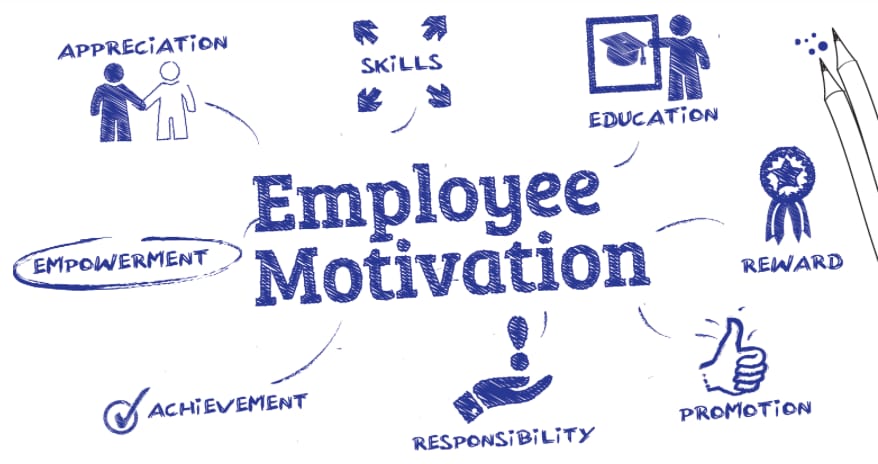
For many years, companies have relied on bonuses, gifts, and workplace perks to energize employees and improve performance. While these incentives still play an important role, research between 2023 and 2025 shows that worker motivation is far more complex. Evidence from academic and industry studies reveals that although financial rewards can spark productivity, sustainable engagement is driven by leadership quality, career development, work-life balance, and workplace culture. Across both global and African labour markets, behavioural outcomes such as retention, productivity, and innovation increasingly show that perks alone are not enough.
Financial incentives remain powerful motivators, particularly in performance-driven industries such as sales, banking, and gig-based employment. Studies show that bonuses and target-based rewards can increase productivity and encourage short-term performance improvements. However, research also demonstrates that relying exclusively on financial perks rarely sustains long-term engagement. Workers may initially respond positively to rewards, but motivation often declines once incentives are removed or become expected. Evidence from employment studies across sectors like logistics and transportation suggests that employees remain committed when incentives align with broader organisational goals rather than operating as standalone rewards.
Leadership quality has emerged as one of the strongest behavioural drivers of workplace motivation. Global workplace research indicates that managerial influence accounts for a large portion of employee engagement levels. Workers who receive clear communication, regular feedback, and supportive supervision consistently demonstrate higher productivity and stronger loyalty to their organizations. Conversely, poor leadership contributes directly to disengagement, absenteeism, and turnover. Global engagement levels have declined in recent years, contributing to significant economic productivity losses, reinforcing the critical role leadership plays in sustaining workforce performance.

Work-life balance and career growth opportunities are also becoming central to long-term employee motivation. Studies show that flexible work arrangements, including hybrid and remote scheduling, significantly reduce burnout while improving job satisfaction and retention. Similarly, organisations that invest in training and career development programmes experience stronger workforce stability and internal talent growth. Employees who see opportunities for advancement are more likely to remain with their employers and contribute consistently to organisational performance.
These findings are particularly relevant in African labour markets, where economic conditions and employment structures vary widely. While financial incentives remain essential in many industries due to wage disparities and job security concerns, African organisations increasingly recognize the importance of combining compensation with professional development and supportive leadership. Sectors such as telecommunications, fintech, and outsourcing have already begun adopting flexible work models and training initiatives to retain skilled professionals, particularly among younger workers entering the digital economy.
The behavioural consequences of disengaged workers extend beyond workplace satisfaction. Research consistently links low engagement to reduced productivity, higher turnover rates, and limited innovation. Organisations that combine competitive compensation with strong leadership, career development opportunities, and flexible work structures consistently outperform those relying solely on transactional reward systems.
Ultimately, modern workforce research suggests that motivation is best understood as an integrated system rather than a single incentive strategy. Perks remain valuable tools for attracting talent and stimulating short-term performance. However, long-term employee engagement depends on workplace environments that foster trust, growth, flexibility, and meaningful contribution. For employers across global and African labour markets, the challenge is no longer simply offering rewards, but designing workplaces where motivation can be sustained and developed over time.
0 Comments
No comments yet. Be the first one to comment!