Russian Fuel Cargo Highlights Ghana's Resilience to Global Supply Shocks
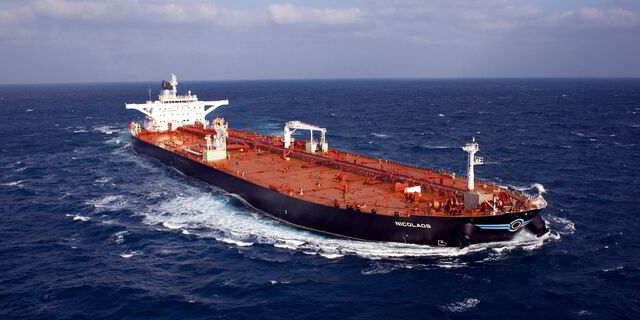
A fuel tanker from Russia is currently heading to Tema, Ghana’s main oil hub.
The vessel, Hellas Fighter, loaded refined petroleum products at Vysotsk and is carrying approximately 320,000 barrels of fuel. According to ship-tracking data, it passed Mauritania on Tuesday and is expected to arrive in Ghana on April 6.
This shipment reflects the continued flow of Russian fuel into Ghana, even amid global uncertainty.
Ghana’s ability to withstand external shocks is rooted in one key strategy: diversification of supply sources.
Due to limited domestic refining capacity, the country relies heavily on imported petroleum products. However, it avoids overdependence on any single supplier.
In 2023, Russia accounted for about 18% of Ghana’s mineral fuel imports, making it the second-largest supplier. The Netherlands remains the largest source of fuel imports.
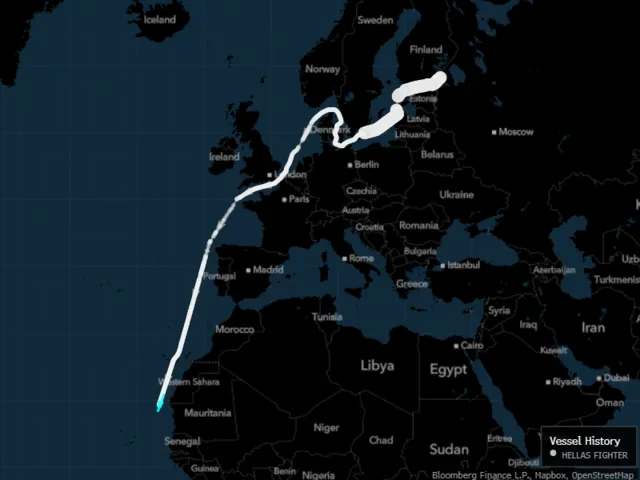
The Hellas Fighter rounds Africa en route to Tema, Ghana, on March 31, 2026.
Regional supply is also strengthening, with Nigeria emerging as a viable alternative.
According to the National Petroleum Authority, Ghana benchmarks fuel pricing against the Northwest Europe market, reinforcing its global sourcing flexibility.
While Ghana remains relatively stable, other parts of sub-Saharan Africa are already feeling the strain.
Countries such as Kenya, Zambia, Mozambique are experiencing fuel shortages, long queues, and rising pump prices.
Their heavy reliance on Middle Eastern fuel shipments, many disrupted by ongoing tensions, has exposed vulnerabilities in their supply chains.
Although Ghana’s supply chain remains stable, it is not entirely shielded from global market pressures. Fuel prices may still fluctuate due to international factors.
However, the country’s multi-source import strategy, combined with emerging regional partnerships, positions it far better than many of its peers.
Ghana’s fuel resilience is no accident. It is the result of deliberate policy choices focused on diversification and flexibility.
As global energy markets face continued uncertainty, Ghana offers a clear example of how strategic sourcing can protect economies from external shocks.
0 Comments
No comments yet. Be the first one to comment!