Silencing the Campus: Burkina Faso’s Junta Suspends Major Student Union in Deepening Crackdown on Dissent
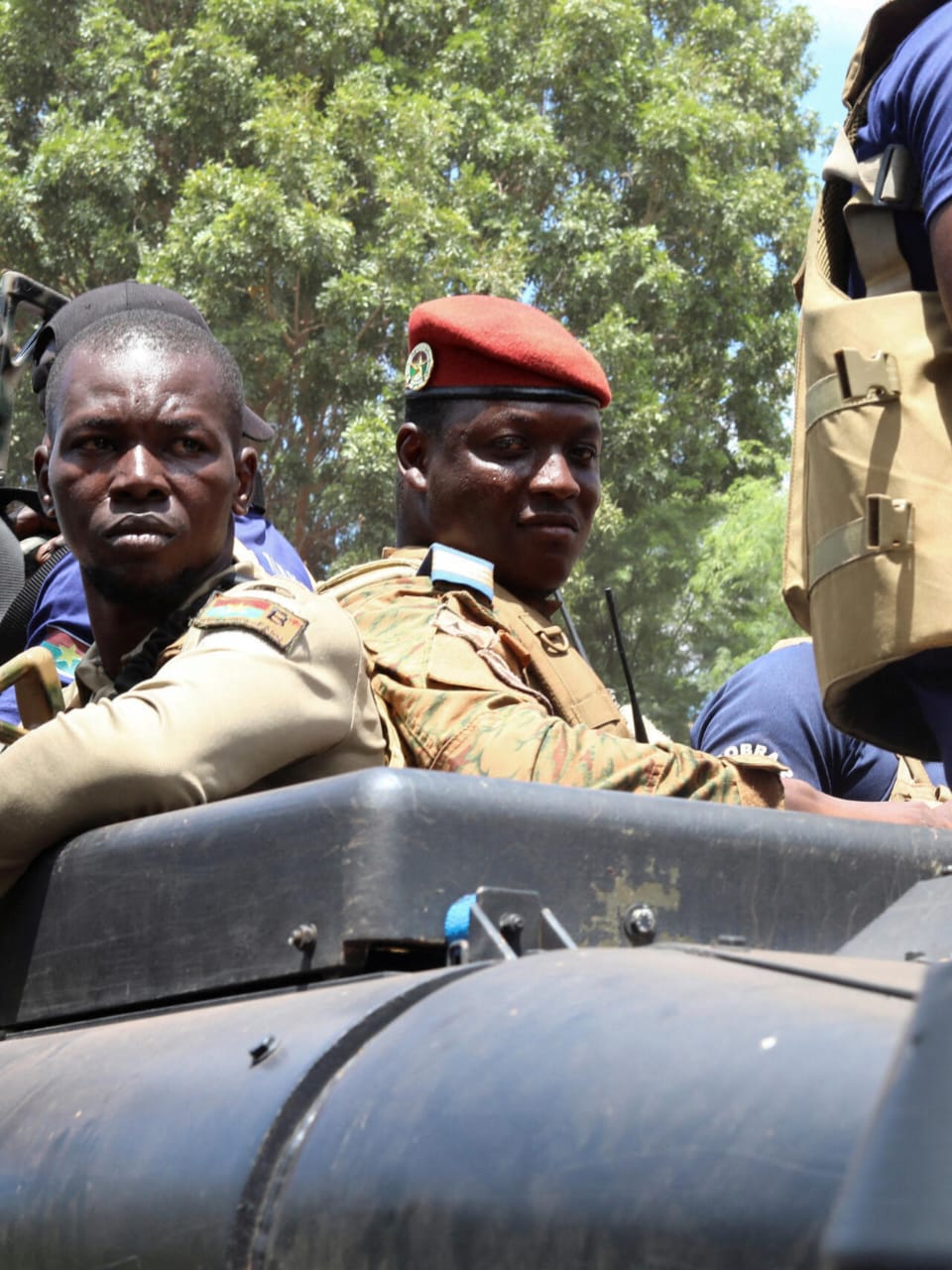
In a move that human rights watchdogs warn marks a severe escalation in the erosion of civil liberties, Burkina Faso’s military government has suspended the country’s largest and most prominent student union according to reports by Human Rights Watch.
On May 26, 2026, the Minister of Territorial Administration, Émile Zerbo, signed a decree suspending all activities of the General Union for Burkina Students (L’union générale des étudiants burkinabè, or UGEB) for a renewable three-month period. The junta leveled accusations of the "glorification of terrorism" against the student organization, though the official decree provided no specific evidentiary basis for the claim.
The suspension coincided with a swift judicial response. On the same day the decree was issued, a public prosecutor in the capital city of Ouagadougou announced a criminal investigation targeting the authors and potential accomplices of a recent UGEB public statement. According to judicial authorities, the statement constituted a direct violation of national criminal law.
The Catalyst: Demanding Accountability
While the junta cited anti-terrorism laws, independent observers point to a highly critical statement recently published by UGEB as the true catalyst for the ban. In the document, the student union openly criticized the military government, led by Captain Ibrahim Traoré, for its failure to restore national security.
UGEB pointed out that despite the junta’s heavily publicized acquisitions of advanced foreign military equipment over nearly four years of military rule, the security crisis in the Sahel nation has continued to worsen. Islamist insurgencies—including groups aligned with Al-Qaeda and the Islamic State—have expanded their footprint across Burkina Faso, displacing millions and killing thousands.
For decades, UGEB has functioned as a cornerstone of civic life in Burkina Faso. Beyond advocating for student welfare and campus academic conditions, the union has historically played an integral role in broader democratic mobilization, standing up against successive authoritarian regimes and demanding government accountability.
A Systemic Assault on Civil Society
Human rights organizations emphasize that the suspension of UGEB is not an isolated incident, but rather part of a systemic campaign to dismantle independent civic space.
"The Burkina Faso junta's suspension of the country's largest student union is the latest in a series of government crackdowns on freedoms of association and expression," said Ilaria Allegrozzi, Senior Sahel Researcher at Human Rights Watch (HRW), in a statement released on May 27.
The move follows a broader wave of administrative liquidations. Earlier in May 2026, the Traoré administration ordered the dissolution of over 200 civil society associations involved in public health, education, women's rights, and agriculture. This wave of closures followed an April 2026 sweep that banned hundreds of human rights organizations. Rights groups note that a July 2025 law heavily restricted the operational independence of syndicates, allowing the state to freeze organizations that receive foreign funding under the guise of combating espionage and treason.
Furthermore, independent journalism has been effectively stifled. Press freedom watchdogs, including Amnesty International and the Committee to Protect Journalists (CPJ), recently condemned the incommunicado detention of prominent investigative journalists and critics. Activists, opposition figures, and members of the judiciary who question government policies have routinely faced intimidation, arbitrary detentions, forced conscription into the military's auxiliary forces, and enforced disappearances.
The Rule of Law in Jeopardy
Legal experts and exiled Burkinabè activists express deep concern over the apparent weaponization of the judiciary to enforce political compliance.
Speaking on condition of anonymity due to severe security risks, a Burkinabè human rights defender living in exile stated that the investigation into UGEB underscores how deeply the rule of law has deteriorated. Judicial authorities, the activist noted, are increasingly being subordinated to serve the political and security objectives of the ruling military junta.
Despite the government's rhetoric that national security demands absolute unity and the silencing of internal friction, international watchdogs argue that targeting civic groups exacerbates the country's instability.
"Silencing students will not address Burkina Faso's worsening security and governance crisis," HRW’s Allegrozzi warned, urging authorities to immediately lift the suspension of UGEB and respect fundamental rights to free assembly.
As the three-month suspension begins, the international community continues to monitor whether West African regional blocks or global partners can exert any remaining leverage on Ouagadougou to halt the widening purge of civil society.
0 Comments
No comments yet. Be the first one to comment!