The Challenging State of Patriotism Among Ghanaian Youth: A Decade in Review
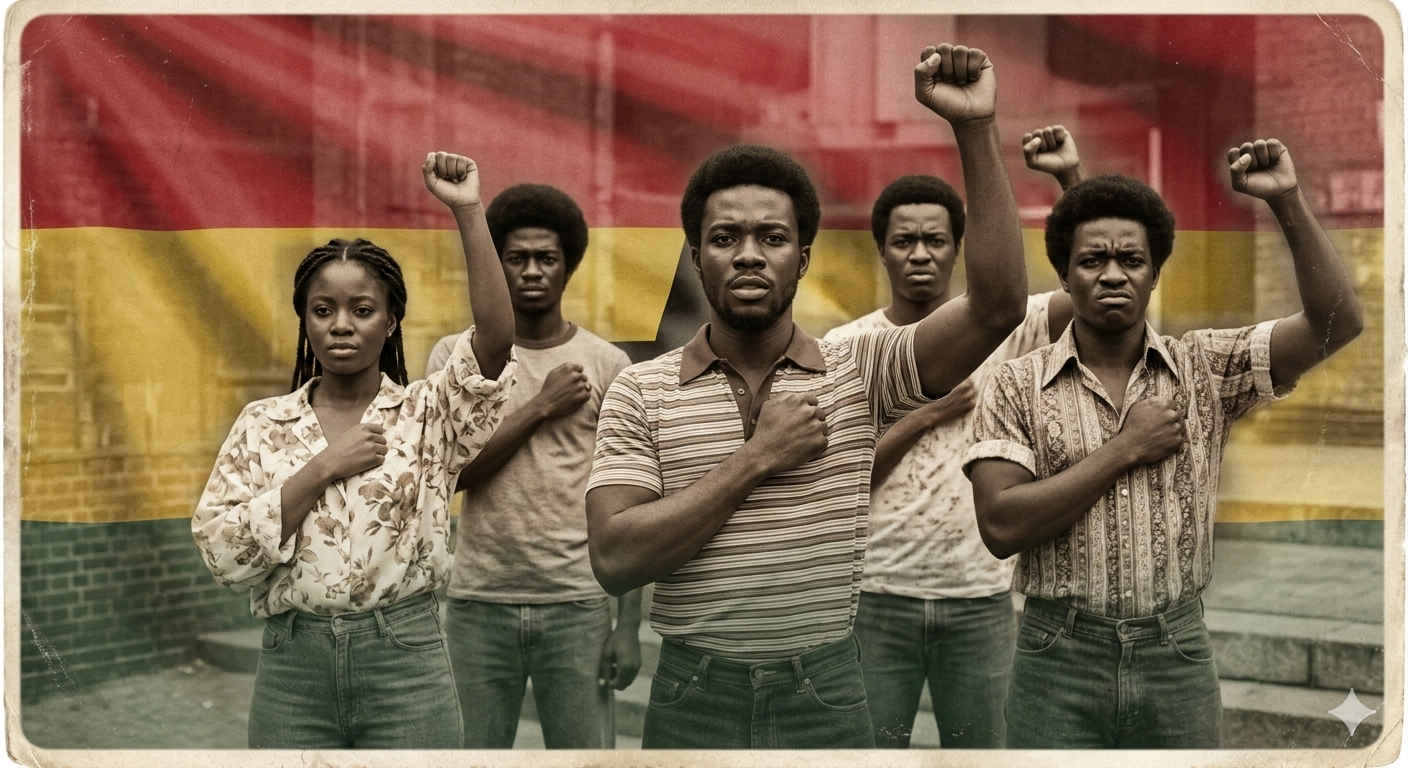
Modern Ghanaian youth are more informed, connected, and vocal than ever. They protest, they campaign, they demand accountability. Yet, for many, this energy is born not from love of country alone but from frustration with a system that seems to reward the well-connected and disenfranchises the rest.
Additionally, there persists a disheartening perception that national institutions are bloated, unresponsive, or corrupt. It is a given that when young people see political leaders enriching themselves while public infrastructure stagnates, their faith in a patriotic social contract weakens.
Furthermore, while young Ghanaians increasingly volunteer, too often these efforts are calculated or poorly coordinated. The result is evidently goodwill without strategic impact, and little understanding that volunteerism is a meaningful way to build the nation.
In the same vein, globalisation has introduced global influences in the digital, cultural and social space, becoming a double-edged sword. Despite benefiting from this technological advancement, global perspectives have some young people grappling with their real identity; the notion of "home". No longer just about tradition, patriotism has become more about meaning and relevance to them.
Not to mention the politicization of everything; from student unions to community projects. This often creates cynical youth who associate patriotism with partisan allegiance rather than national commitment.
Consequently, there's the lack of opportunities that build ownership. Many youths feel they are left out of the national development equation. Without genuine pathways to serve beyond short-term jobs, patriotism risks becoming performative.
The National Commission for Civic Education (NCCE) recognizes that civic education remains remarkably uneven. Many youth, even in schools, lack a deep understanding of the Constitution, their civic duties, or how they can influence governance.
Its 2024–2025 budget reiterates a sub-programme on “Patriotism and Good Citizenship” to deepen constitutional knowledge and democratic values among youth.
Yet translating funding into meaningful, consistent outreach remains a challenge.
Hope: The Way Forward
Marching into 69 years of independence is a window to seize to consider what it would require to integrate young people into ready-to-execute commissions that would set the pace for generations to come who would proactively commit to national development, which in turn rewards and honours the individual and lends a progressive voice that amplifies earnest patriotism without the risks of sabotage and alienation.
0 Comments
No comments yet. Be the first one to comment!