Trump Signals Waning Patience With Iran After Talks With China’s Xi
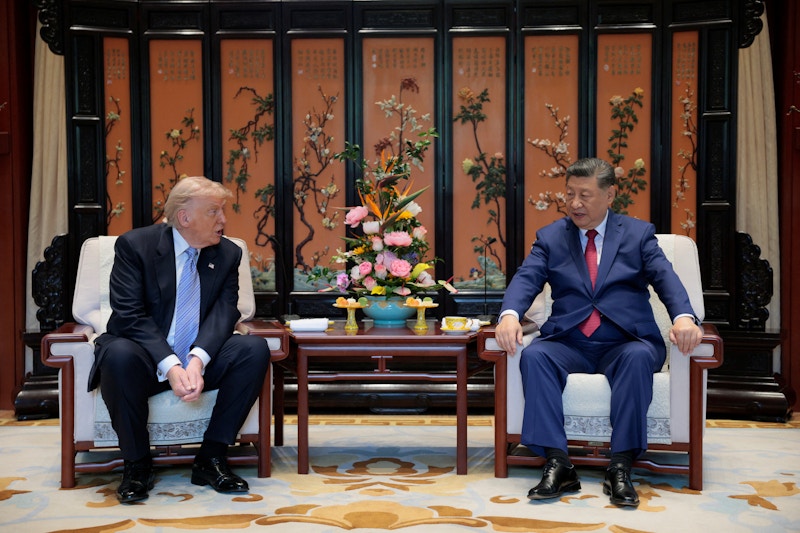
U.S. President Donald Trump has warned that his patience with Iran is running thin, following high-level talks with Chinese leader Xi Jinping and fresh tensions in the Gulf region.
The remarks come as the conflict continues to disrupt global trade and energy supplies, particularly around the strategic Strait of Hormuz, a vital route for oil shipments worldwide.
Pressure Mounts Over Stalled Talks
Speaking in a televised interview, Trump indicated that diplomatic efforts with Iran have hit a dead end. Negotiations aimed at ending the conflict have stalled, with Tehran refusing to halt its nuclear activities or surrender its stockpile of enriched uranium.
“I am not going to be much more patient,” Trump said, urging Iran to return to the negotiating table.
The U.S. had paused direct attacks last month but maintained pressure through a blockade on Iranian ports. Washington continues to push for stricter controls on Iran’s nuclear programme, while Tehran insists on sanctions relief and recognition of its strategic interests.
Strait of Hormuz in Focus
During talks in Beijing, Trump and Xi agreed on the importance of keeping the Strait of Hormuz open. The waterway, which previously handled a significant share of global oil and gas shipments, has seen major disruptions since Iran moved to restrict access in response to U.S. and Israeli military actions earlier this year.
Recent maritime incidents have heightened concerns. Reports indicate that a vessel near the United Arab Emirates was seized by Iranian-linked personnel, while another ship was struck in nearby waters, raising fears over the safety of commercial shipping in the region.
Despite the tensions, some vessels have begun passing through the strait under specific arrangements with Iran, though traffic remains well below normal levels.
China’s Role and Strategic Interests
China, a key buyer of Iranian oil, is seen as a crucial player in efforts to de-escalate the situation. Trump noted that Xi had pledged not to supply Iran with military equipment, a move he described as significant.
Beijing has also expressed opposition to the militarisation of the strait and any attempts to impose transit charges, signalling its interest in maintaining stable trade routes.
Conflict’s Broader Impact
The ongoing conflict has had devastating consequences, with thousands reported dead across Iran and parts of the Middle East. While U.S. officials claim Iran’s military capabilities have been weakened, concerns remain about its retained missile and drone strength.
Diplomatic momentum appears limited for now, as both Washington and Tehran remain firm in their demands. The U.S. is seeking a halt to Iran’s nuclear ambitions, while Iran is pushing for sanctions relief and compensation for war-related damage.
As tensions persist, the future of negotiations, and stability in one of the world’s most critical energy corridors, remains uncertain.
0 Comments
No comments yet. Be the first one to comment!