Uganda Election Update: Museveni’s Early Lead, Oversight Questions Persist
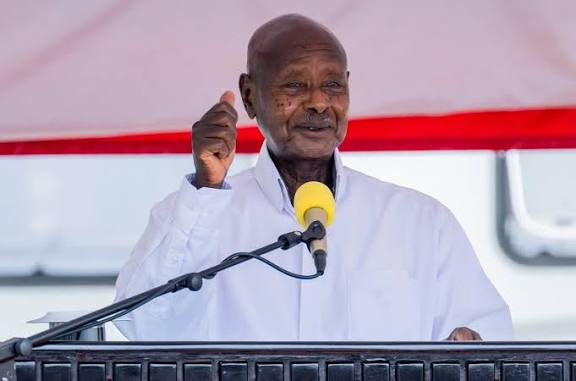
Early results from Uganda’s 15 January 2026 presidential election indicate a commanding lead for long-serving incumbent President Yoweri Museveni, as the country navigates a fraught and tightly contested vote that has drawn domestic anxieties and international attention.
With partial vote counts reported from nearly half of polling stations, Uganda’s Electoral Commission says Museveni, in power since 1986, holds approximately 76 percent of the valid votes tallied, while his main challenger, opposition leader Robert Kyagulanyi Ssentamu, widely known as Bobi Wine, trails around 19.8 percent. The remaining votes are split among six other candidates
President Museveni’s early lead, which would position him for a seventh term in office, reflects a continuation of the political dominance he has maintained for four decades. After casting his ballot, the 81-year-old leader expressed confidence in his position.
The results remain preliminary, and tallies are expected to continue over the coming days. The Electoral Commission has urged calm and patience as counting proceeds.
Uganda’s election unfolded under an internet shutdown imposed days before voting, a measure authorities said was intended to curb misinformation and preserve stability. Rights groups and civil society organisations have criticised the blackout as detrimental to transparency and freedom of expression at a critical stage of the democratic process.
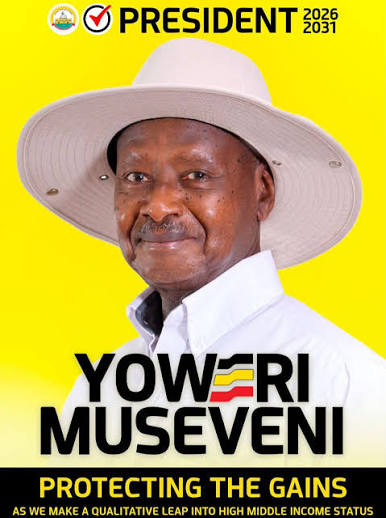
Voting also encountered logistical challenges, including delays at polling stations due to technical failures such as malfunctioning biometric voter machines, necessitating fallback manual registration in some locations.
The election has taken place amid an elevated security presence and tensions between political factions. Opposition supporters have reported instances of intimidation and sporadic violence, while authorities have framed their actions as necessary to prevent disorder.
Bobi Wine and his National Unity Platform have raised concerns about electoral fairness, alleging irregularities and procedural shortcomings ,claims that have not been independently verified at scale. The wider political context includes ongoing debates about civil liberties, space for dissent, and the role of the state in managing electoral competition.
Uganda has never experienced a peaceful transfer of presidential power since independence in 1962. Museveni’s long tenure has been credited by supporters with relative political stability and economic growth, but criticised by opponents for entrenching executive authority and suppressing dissent.
The 2026 election is therefore not only a test of individual leadership but of institutional processes in a nation with a young and increasingly politically engaged population.
The course of Uganda’s democratic process will depend on how electoral bodies, political actors, and civil society navigate the post-vote period. This election serves as a barometer not just of current political preferences, but of public confidence in governance frameworks under evolving demographic and civic expectations.
0 Comments
No comments yet. Be the first one to comment!