Uganda Votes Amid Tension as High-Stakes Election Tests Power, Succession, and Democracy
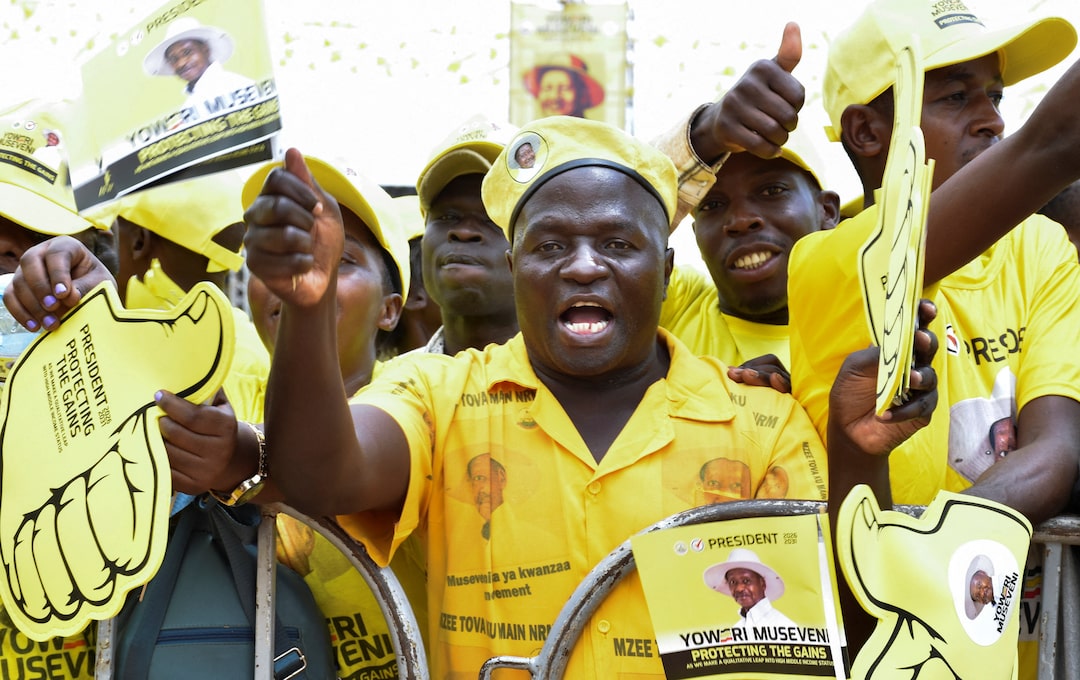
Uganda is holding one of the most consequential elections in its modern history, as President Yoweri Museveni seeks to extend a four-decade grip on power amid mounting economic pressures, demographic change, and growing domestic and international scrutiny.
The election, marked by a heavy security presence and an internet shutdown, is widely seen not just as a vote on leadership, but as a referendum on Uganda’s political future, and on the durability of entrenched power in East Africa.
President Museveni, in power since 1986, has outlasted generations of political opponents, constitutional limits, and regional shifts. Constitutional amendments removing presidential age and term limits have allowed him to contest repeatedly, reshaping Uganda’s political system around continuity rather than transition.
For many Ugandans, particularly younger voters who make up the majority of the population, the election represents a deeper question: whether political succession can occur through democratic means, or whether power remains structurally insulated from change.
Succession anxiety has become a defining feature of the campaign, with uncertainty over whether Uganda’s political system can manage an orderly transition without instability. Opposition figures, most notably those drawing support from urban youth, have framed the election around unemployment, cost of living pressures, governance, and civil liberties.
Uganda’s population is young, digitally connected, and increasingly exposed to global political norms. This has created a widening gap between state authority and public expectation, particularly in cities where economic hardship and political mobilisation intersect.
Authorities, however, have maintained a firm grip on public space. Campaign activities have been restricted in several areas, opposition rallies dispersed, and activists detained, reinforcing concerns about the fairness of the political environment.
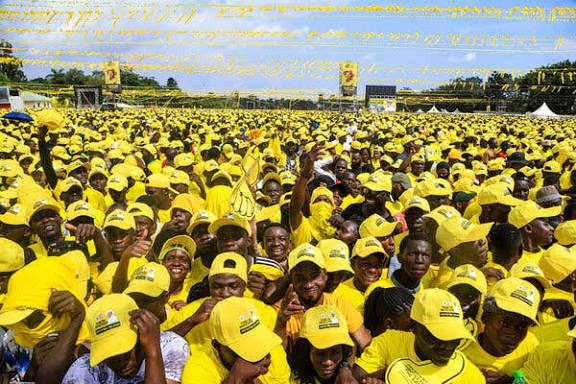
As voting began, authorities imposed a nationwide internet blackout, citing security concerns and the need to curb misinformation. Critics argue the move undermines transparency, limits election monitoring, and restricts freedom of expression at a critical democratic moment. Similar shutdowns in previous Ugandan elections have drawn condemnation from civil society groups and international observers.
The blackout underscores a broader trend across parts of Africa, where digital controls are increasingly deployed during elections to manage political risk, often at the expense of public trust. From the government’s perspective, stability remains the overriding priority. Officials argue that strong security measures are necessary to prevent unrest in a region with a history of political violence and insurgency.
Uganda’s role as a regional security partner, particularly in peacekeeping operations and counter-terrorism efforts, has also shaped international responses. Western governments have often balanced democratic concerns with strategic interests, resulting in measured criticism rather than direct confrontation.
This balancing act has contributed to perceptions that Uganda’s leadership faces limited external pressure to reform. Beyond politics, economic realities loom large. Uganda faces rising public debt, inflationary pressures, and limited job creation for its fast-growing population.
Major infrastructure projects and oil sector expectations have yet to translate into broad-based economic relief, fuelling frustration among citizens who see little improvement in daily living conditions.
Analysts note that political stability without economic inclusion risks becoming increasingly fragile. Uganda’s election carries implications beyond its borders.
As a key player in East Africa, Uganda’s political trajectory influences regional norms on governance, term limits, and democratic accountability. A heavily contested or disputed outcome could embolden similar governance models elsewhere, or deepen scepticism among populations already questioning democratic pathways.
Conversely, a credible and peaceful process, even without a change in leadership, would signal institutional resilience in a region facing multiple political transitions. Regardless of who emerges victorious, this election marks a turning point.
If continuity prevails without reform, pressure is likely to resurface through economic strain, youth mobilisation, and institutional fatigue. If change gains ground, the system will be tested on its ability to manage transition without destabilisation.
Uganda’s vote is therefore not just about leadership, it is about whether political systems built around longevity can adapt to demographic reality, economic demand, and rising expectations.
For East Africa, and for Africa more broadly, the outcome will be closely watched, not for spectacle, but for what it reveals about the future of power, governance, and democratic endurance on the continent.
0 Comments
No comments yet. Be the first one to comment!