Why 2026 Could Redefine Ghana’s Corporate and SME Landscape
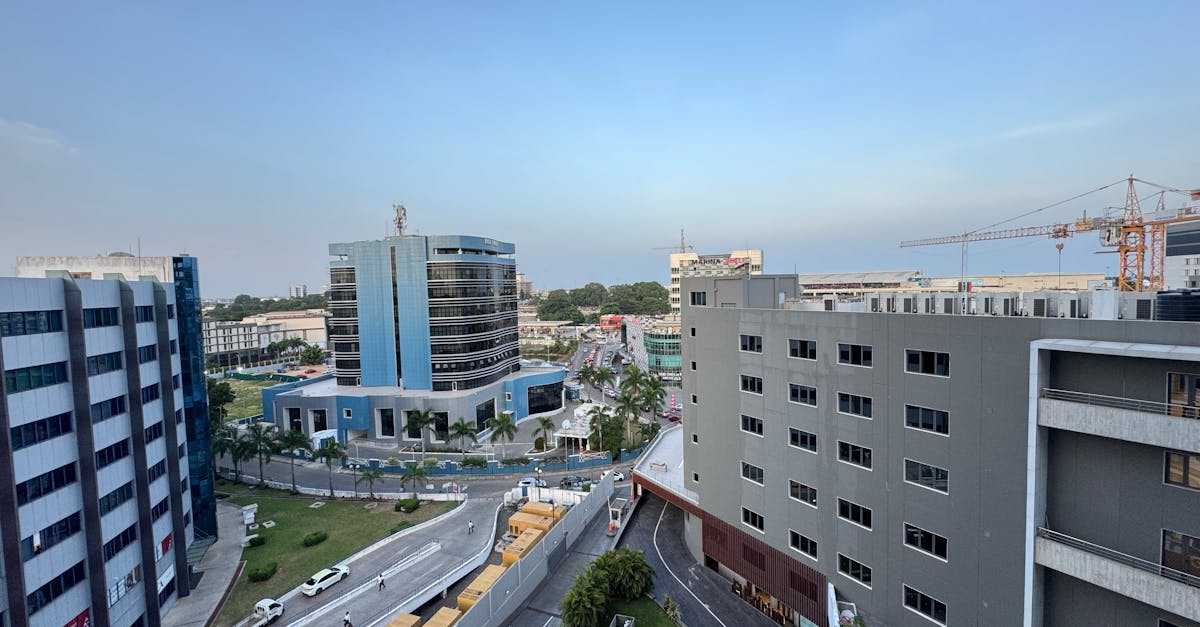
After years of economic strain, restructuring, and cautious survival, Ghana’s business environment is entering what analysts might be describing as a potential reset year. For large corporations, small and medium-sized enterprises (SMEs), and startups alike, 2026 is shaping up as a decisive period of reconfiguration rather than rapid expansion.
This shift is being driven less by optimism and more by necessity, stricter financing conditions, post‑restructuring realities, and changing consumer behaviour, thereby demanding firms to rethink how they operate, merge, scale, or exit.
Between 2022 and 2024, many Ghanaian businesses operated in crisis mode, grappling with high inflation, currency instability, rising input costs, and constrained access to credit. The priority was survival.
By late 2025, however, declining inflation, relative currency stability, and gradual financial sector recovery began to change the conversation. Rather than simply staying afloat, firms are now reassessing structure, efficiency, and long‑term positioning. Economists note that this transition phase often produces consolidation rather than organic growth, a pattern already emerging in Ghana.
While headline‑grabbing mergers remain limited, quiet consolidation is underway, particularly in sectors such as: Financial services and fintech, Logistics and transport, Manufacturing and agro‑processing, Media, advertising, and digital services.
Strained balance sheets and reduced access to affordable credit can be pushing smaller firms toward partnerships, acquisitions, or strategic exits. For stronger players, this environment presents opportunities to absorb market share at reduced valuations.
Industry analysts caution, however, that Ghana’s Mergers and Acquisitions (M&A) activity remains largely informal and under‑reported, with many deals taking place outside public disclosure frameworks.
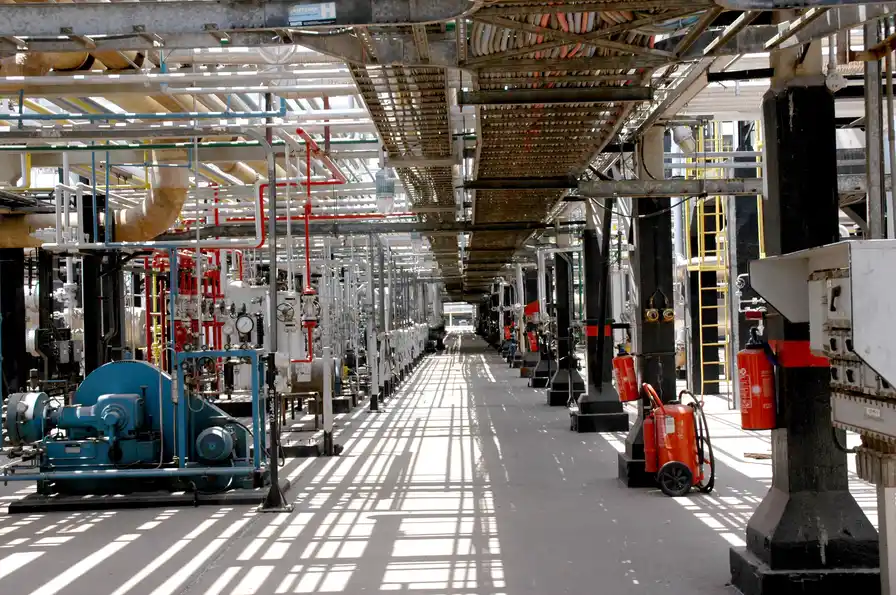
SMEs, which account for the majority of employment in Ghana, face a more complex reality. While easing inflation offers some relief, high interest rates, tax compliance costs, and energy pricing continue to weigh heavily on operations.
As a result, 2026 is expected to see:
Increased business formalisation to access financing,
Greater use of shared services and cooperatives.
A shift from expansion to profitability‑first models
Digital adoption, particularly in payments, logistics coordination, and customer engagement is becoming less of a competitive advantage and more of a survival requirement. Ghana’s start-up ecosystem is also evolving. Venture funding has become more selective, favouring revenue‑generating and cash‑disciplined businesses over growth‑at‑all‑costs models.
Founders are increasingly turning to:
Bootstrapping and internal cash flow
Strategic partnerships with established firms
Regional expansion within ECOWAS rather than global scaling
This shift, analysts argue, may produce fewer start-ups but stronger ones, businesses built for resilience rather than hype. Government policy will play a critical role in determining whether 2026 becomes a true turning point or a missed opportunity.
Key areas under scrutiny include:
Access to affordable long‑term credit.
Energy pricing and reliability.
Tax policy consistency and enforcement.
Public sector payment discipline
While recent efforts to stabilise the energy sector and financial system are positive signals, businesses remain cautious, citing historical policy reversals and execution gaps. Rather than rapid expansion, 2026 is likely to be remembered as a year of recalibration, where inefficient models exit, stronger firms consolidate, and SMEs either adapt or disappear.
For Ghana’s private sector, the question is not whether growth will return, but what kind of growth will emerge; fragmented and fragile, or disciplined and durable. The answer, analysts suggest, will depend on how effectively businesses align strategy with reality, and how consistently policy supports productivity rather than short‑term relief.
0 Comments
No comments yet. Be the first one to comment!