Why Ghana Grants Citizenship to Black Americans and the African Diaspora — And How the Process Works
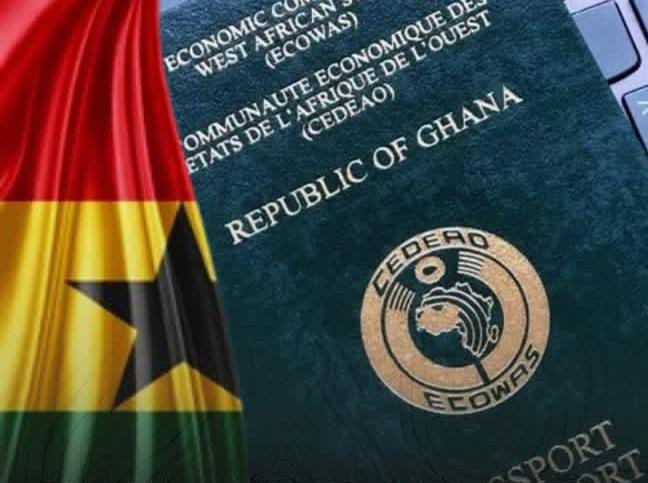
Ghana’s decision to grant citizenship to Black Americans and members of the African diaspora is rooted in historical reconciliation, economic diplomacy and cultural reconnection. The policy gained global prominence through initiatives such as the Year of Return (2019) and the Beyond the Return agenda, which sought to encourage descendants of enslaved Africans to reconnect with their ancestral heritage while contributing to national development.
The legal foundation for diaspora naturalisation is embedded in Ghana’s Citizenship Act, 2000 (Act 591), which allows foreign nationals with demonstrable ties to Ghana or long-term residence to apply for citizenship through registration or naturalisation. Applicants typically undergo background checks, demonstrate good character and allegiance to Ghana, and complete residency or cultural integration requirements before approval by the Ministry of the Interior.
Over the past 25 years, Ghana has granted citizenship to several high-profile diaspora figures as symbolic and diplomatic gestures. In 2016, Ghana conferred citizenship on 126 members of the African diaspora during a ceremony designed to mark the reconnection with descendants of enslaved Africans. More recently, American television personalities and entrepreneurs, including Jet Magazine owner and businessman Louis Farrakhan Jr., as well as associate and publisher groups, alongside academics, investors, and cultural advocates, were among the diaspora recipients during the Year of Return commemorations and subsequent initiatives.
Another prominent example includes American musician Ludacris (Chris Bridges), who publicly revealed he had acquired Ghanaian citizenship through familial ancestry, strengthening cultural exchange narratives between Ghana and the diaspora. Similarly, civil rights advocates, investors and professionals from the United States and Caribbean have been granted citizenship under government-led ceremonies emphasising economic partnerships and heritage restoration.
The programme has yielded measurable social and economic outcomes. Government and tourism reports indicate that diaspora engagement significantly boosted visitor arrivals and investment flows, particularly during 2019 when hundreds of thousands of visitors travelled to Ghana to participate in heritage commemorations.
Beyond economics, the citizenship policy reinforces Ghana’s diplomatic identity as a cultural and historical bridge between Africa and its diaspora. By combining legal naturalisation pathways with symbolic heritage initiatives, Ghana continues to position itself as a central destination for reconnection, investment and cultural renaissance among people of African descent worldwide.
0 Comments
No comments yet. Be the first one to comment!