World Bank Affiliate Steps In With Up to US$300m to Stabilise Ghana’s Cocoa Sector
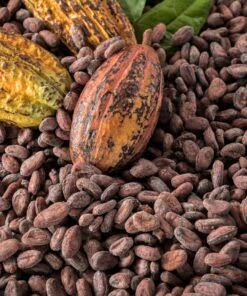
The International Finance Corporation (IFC), a member of the World Bank Group, has injected more than US$100 million into Ghana’s cocoa sector, with total support expected to reach up to US$300 million in 2026, as financing delays at the Ghana Cocoa Board (COCOBOD) place mounting pressure on Licensed Buying Companies (LBCs).
The intervention was disclosed by IFC Senior Country Manager Kyle Kelhofer during an interview on Channel One TV’s The Point of View, where he outlined the liquidity challenges facing the sector and the steps being taken to prevent disruptions.
Ghana, the world’s second-largest cocoa producer, relies on a tightly coordinated financing system to move cocoa beans from farm gates to export markets. Persistent delays in COCOBOD’s expected funding over the past 18 months have strained this system, forcing LBCs to self-finance operations and increasing the risk of market instability.
COCOBOD traditionally raises between US$1.5 billion and US$2 billion annually through syndicated loans to finance the cocoa season, allowing LBCs to pay farmers promptly. However, delays in securing these facilities have left LBCs bearing costs usually covered through the board’s coordinated financing structure.
To bridge the gap, IFC has worked closely with local banks, the Bank of Ghana, and regulatory bodies such as the Ministry of Finance, channelling funding in local currency through Ghana’s banking system. The approach allows LBCs to continue purchasing cocoa without interruption while supporting domestic financial sector development.
“We’ve tried to step in, including with some support from the regulators, the central bank and the Ministry of Finance,” Kelhofer said, stressing the importance of coordination to keep the supply chain functioning.
He added that while more than US$100 million has already been deployed, total support could rise to US$300 million this year, depending on the persistence of financing gaps and demand from LBCs.
The funding provides LBCs with operational breathing room and reassures farmers that their cocoa will be purchased at official prices during harvest periods. Any disruption in LBC purchasing capacity directly affects farmers who depend on timely payment for their produce.
By preventing liquidity-driven slowdowns, the intervention helps preserve incentives for quality production and protects Ghana’s reputation for premium cocoa on international markets.
The latest support builds on IFC’s growing footprint in Ghana’s cocoa sector. In June 2025, the institution announced a US$40 million partnership with Société Générale Ghana to expand access to finance, support sustainable production and improve market access for tens of thousands of smallholder farmers.
That facility focused on climate-smart farming practices such as agroforestry, improved cocoa varieties and sustainable land management, while strengthening traceability systems to meet international standards, including the European Union Deforestation Regulation (EUDR).
The EUDR, which took effect on December 31, 2025, requires proof that cocoa exported to the EU was not produced on land deforested after December 31, 2020. Ghana has responded by implementing the Ghana Cocoa Traceability System, tracking cocoa from individual plots to ports of shipment.
In February 2025, IFC also provided US$230 million to agricultural commodities trader ECOM Agro Industrial to support cocoa operations in Ghana and Côte d’Ivoire. The financing aimed to stabilise purchasing volumes, strengthen balance sheets and deepen investment in sustainable supply chains.
ECOM, through subsidiaries including Agroecom and Unicom Commodities in Ghana, purchased nearly 150,000 tonnes of cocoa during the 2023/2024 season, with 68 percent sourced from communities benefiting from support programmes.
Ghana’s cocoa production fell sharply to approximately 336,000 metric tonnes in the 2024/2025 season, down from levels above 600,000 tonnes in earlier years. Weather challenges, ageing tree stock, disease pressures and illegal mining activity have all contributed to the decline.
For the 2025/2026 season, COCOBOD projects a recovery to 650,000 metric tonnes, citing improved weather, rehabilitation programmes and the distribution of free inputs. The forecast is viewed as conservative after previous projections proved overly optimistic.
Global cocoa prices have also retreated from record highs above US$12,000 per tonne in early 2024 to around US$5,100 per tonne. While easing some revenue pressure, the decline has reduced margins available to absorb financing costs during periods of delayed funding.
Ghana announced a producer price of US$5,040 per tonne for the 2025/2026 season, representing 70 percent of the Free On Board value at the time. With global prices now trading below that level, COCOBOD faces added financial strain.
The financing gap reflects broader challenges facing COCOBOD, including difficulty securing syndicated loans amid concerns about Ghana’s debt sustainability and cocoa sector volatility. While IFC’s intervention provides critical short-term relief, it cannot permanently replace a functioning sector financing framework.
Parliament is expected to consider amendments to the Ghana Cocoa Board Act aimed at improving financial discipline and refocusing COCOBOD on its core mandate. Successful reforms could restore lender confidence and reduce reliance on emergency financing.
For now, the coordinated effort involving IFC, the Bank of Ghana, the Ministry of Finance and local banks is ensuring that cocoa purchasing continues during critical harvest months. Maintaining that coordination while addressing the root causes of financing delays remains the central challenge for Ghana’s cocoa sector going forward.
0 Comments
No comments yet. Be the first one to comment!