Youth and the Future of African Politics
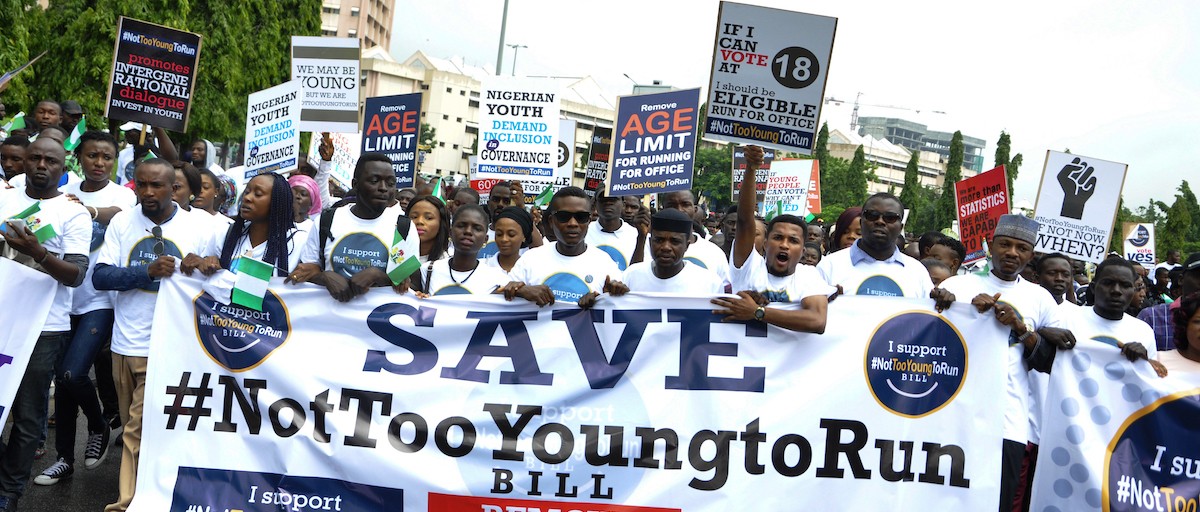
Young people across Africa are playing a pivotal role in shaping political discourse and civic engagement. Their influence is evident in their preference for activism over traditional political participation. A recent 2025 Afrobarometer survey highlights that while youth (ages 18–35) may engage less in activities like voting, they are increasingly active in protests and movements. This shift stems from a desire for change in the face of unemployment, inequality, and inadequate public services. The rise of digital platforms provides them with innovative ways to express their ideas and mobilize for change, fostering grassroots movements.
The African Union has recognized this shift by establishing the position of a "Youth Envoy," reflecting a commitment to integrating young voices in policymaking.
Real World Moments
The youth-led #EndSARS protests in Nigeria in 2020 exemplify their collective call for accountability and justice. Utilizing social media, they turned local grievances into a global conversation. Similarly, in Kenya, the #RutoMustGo movement emerged in 2024 to oppose a Finance Bill proposing high taxes on essential goods. This youth-led initiative, utilizing social media and grassroots organizing, successfully pressured the government to retract many tax proposals. Young Kenyans have also used art and music to sustain and amplify their activism.
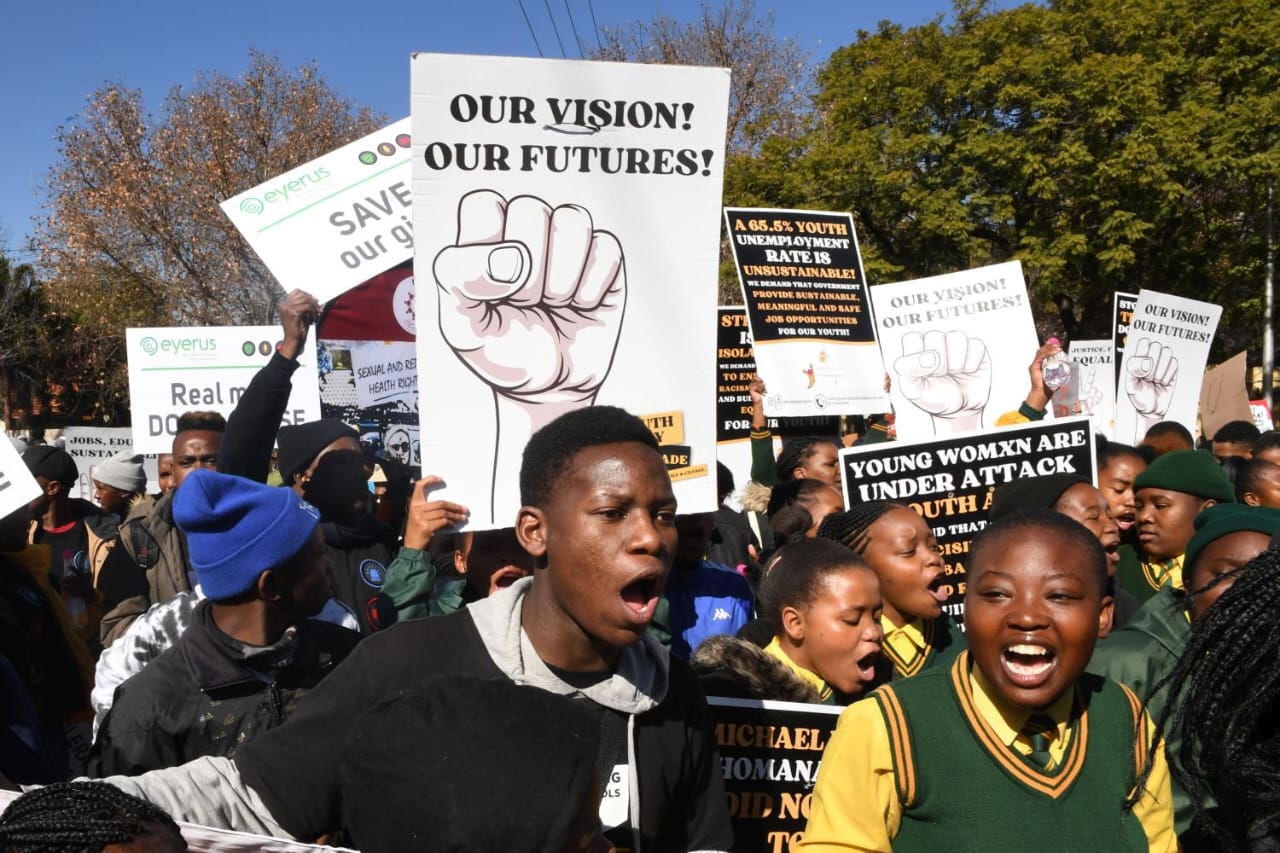
Movements in Morocco, Madagascar, and Togo further illustrate that young Africans are engaging proactively to address governance issues and demand accountability, reflecting a significant generational shift where they are redefining the political landscape.
Diaspora Influence
The African diaspora is playing a critical role in reshaping politics back home.
Whether it’s amplifying protest narratives, producing incisive analysis and commentary, or organizing advocacy efforts abroad, diasporic youth communities add a powerful global dimension to African politics by leveraging social media, global networks, and transnational solidarity to spotlight injustices, mobilize resources, and influence political discourse. Their voices are instrumental in internationalizing local struggles, attracting global solidarity, and applying diplomatic pressure when governments respond with repression.
Too Risky?
While the momentum is promising, challenges remain that can be addressed proactively. The risk of fragmentation in youth movements calls for structured approaches to ensure sustained influence in policy-making. Emphasizing pathways for collaboration with established political entities can help bridge generational divides. Furthermore, addressing economic and social frustrations through concrete results will foster trust and engagement, while advocating for peaceful dialogue will mitigate the risks of repression.
Looking Ahead
Africa’s youth are not a burden- they are the continent’s brightest hope. From Nairobi to Accra, Rabat to Antananarivo, young people are reshaping politics with their boldness, impatience for real change, and refusal to accept systems that no longer serve them. This is a new kind of politics rising, driven by voices that are energetic, unafraid, and determined to hold leaders accountable.
But this potential will fade if we treat youth activism as a passing moment instead of the start of long-term transformation. For Africa to truly move forward, institutions must create real space for young people, not just in protests and online conversations, but in decision-making rooms. And young Africans must stay engaged, persistent, and committed to helping build the future they’re fighting for.
Africa’s political future depends on the partnership that institutions be willing to open their doors, and youth be willing to step inside and lead.
0 Comments
No comments yet. Be the first one to comment!